

Text by Rae Sojot and Sarah Burchard
Introduction by Nathanael Bueno
Images by John Hook, Laura La Monaca, and Megan Spelman
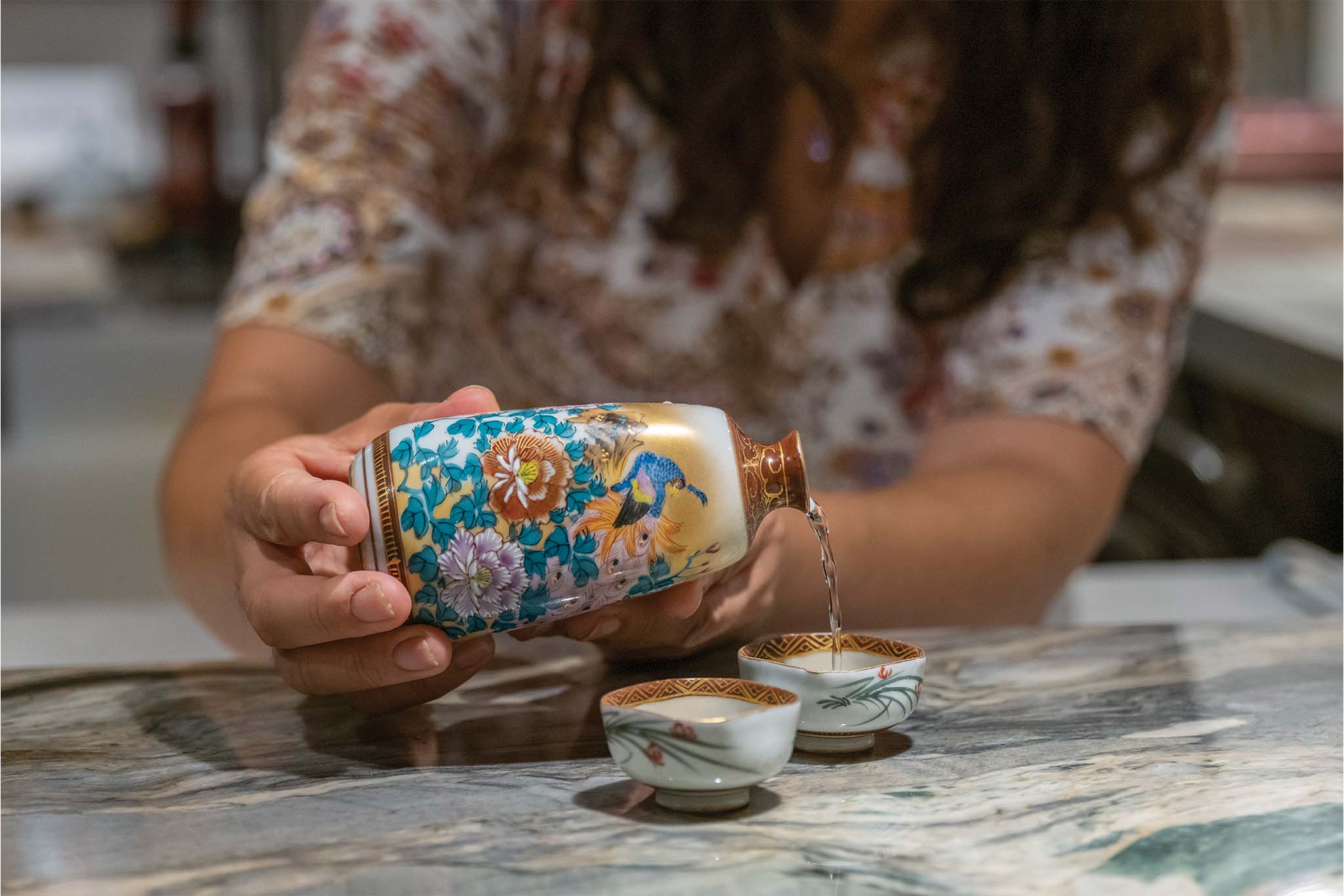
Japan’s brewing tradition is a devotion to craft. Across generations, dedicated brewmasters sought refined techniques in pursuit of a distinctly Japanese spirit. From this emerged sake and shōchū, liquors so culturally beloved that they gained the distinction of kokushu, Japan’s national brews. In 2024, the United Nations Educational, Scientific and Cultural Organization (UNESCO) named sake-making with kōji mold as an Intangible Cultural Heritage of Humanity, cementing the global status of Japanese fermentation.
In recent decades, a cohort of Japanese brewers have transported their traditions to Hawai‘i. From the base of Mauna Kea on Hawai‘i Island to the North Shore of O‘ahu, here we meet the makers behind Islander Sake and Hawaiian Shochu Company and learn what it takes to keep the Japanese spirit alive in the islands.
Islander Sake
Chiaki Takahashi grew up within a temple in Tokyo, where her father, a Buddhist priest, attended to the clergy. She often observed her father with curious eyes, watching him provide comfort and guidance. Now in her 50s, Takahashi realizes she has become much like her father, instilled with an innate desire to help others find paths to well-being.
Initially, she met this calling by becoming a medical researcher for stress-induced disease, but over time, Takahashi felt increasingly less invested in the career. Then, a moment of clarity arrived. While enjoying a nightcap, Takahashi realized she could parlay her expertise in science into an entirely new discipline: sake brewing.
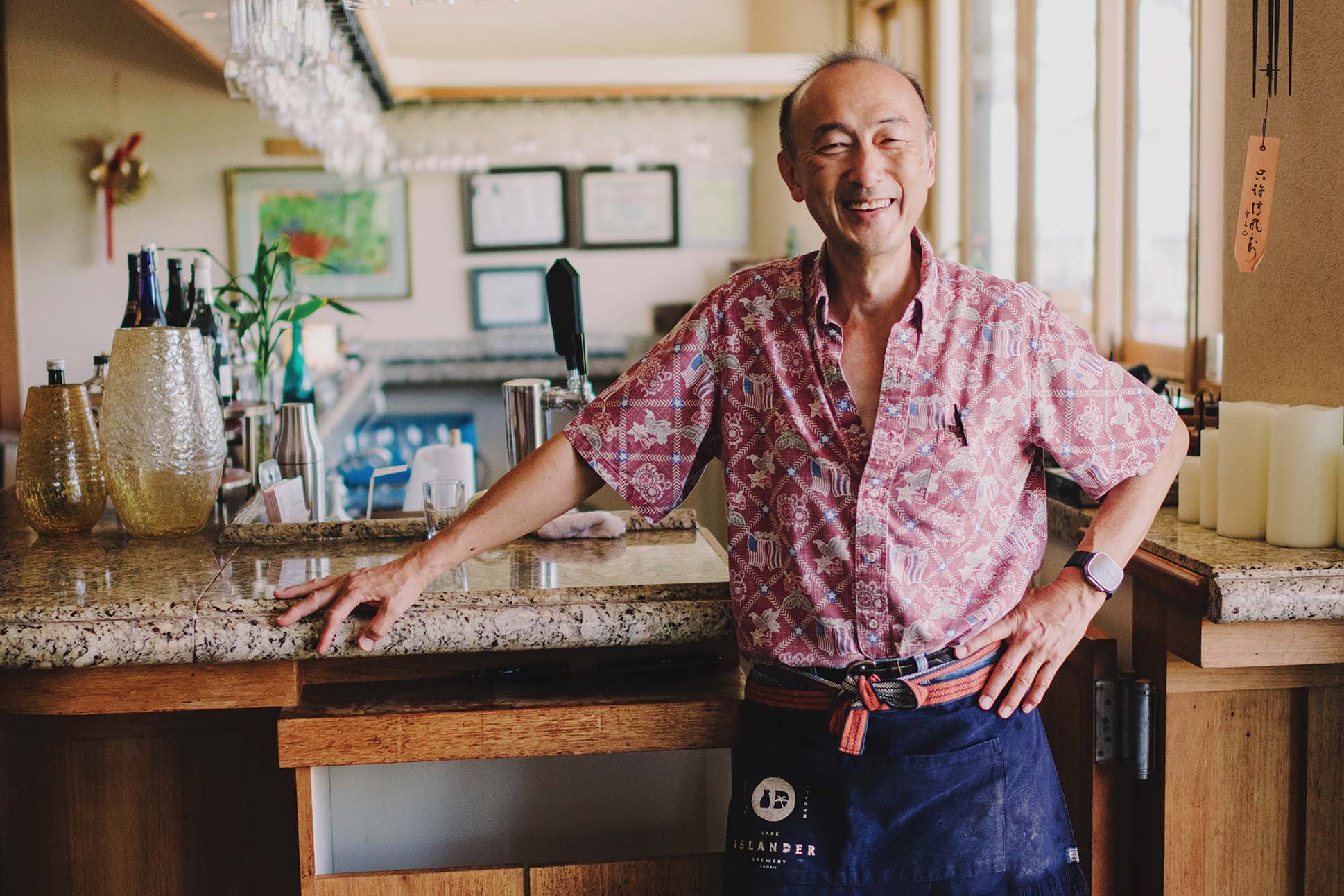
In 2020, Takahashi and her business partner, Tama Hirose, opened Islander Sake in Kaka‘ako, the only sake brewery in Hawai‘i. After the company’s production needs outgrew their modest facility, they moved the business to Hawai‘i Island in 2022. Recognizing Hawai‘i’s long sake tradition and the deep cultural ties Hawai‘i and Japan share, Takahashi is committed to reestablishing sake as a favorite local drink.
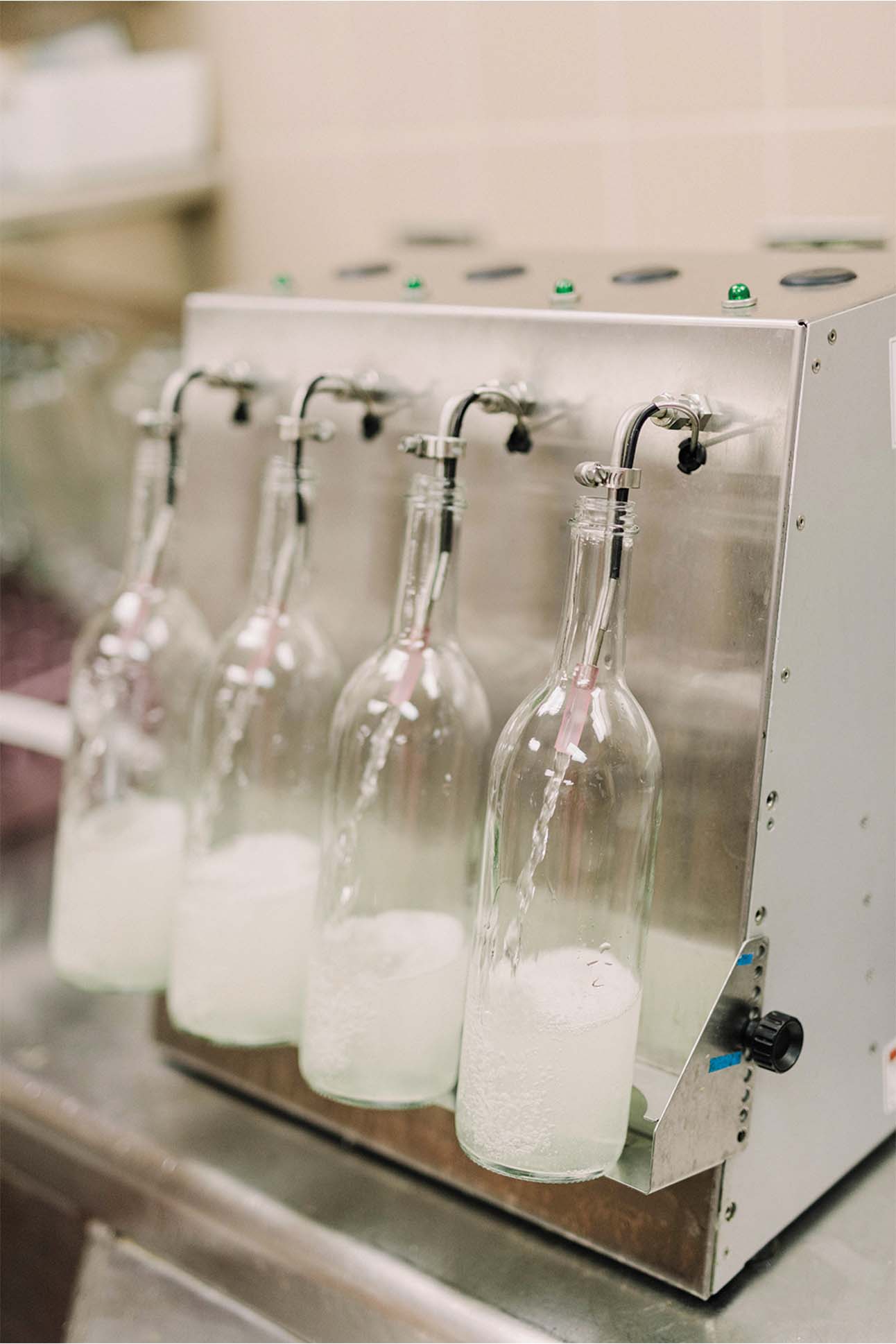
Sake brewing is relatively simple, she explains through an interpreter. Its formulation requires only a handful of ingredients: rice, kōji, yeast, and water. And while many consider sake’s fermentation process akin to laboratory work, with its strict emphasis on temperatures, measurements, and monitoring, Hirose is quick to bring up more abstract factors like the local culture.
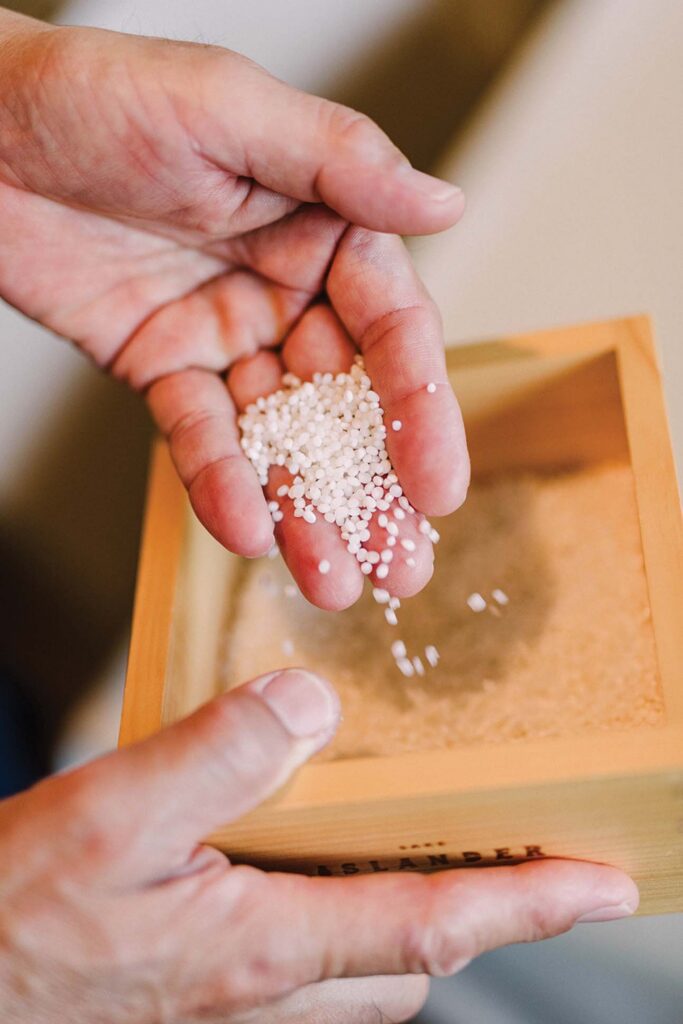
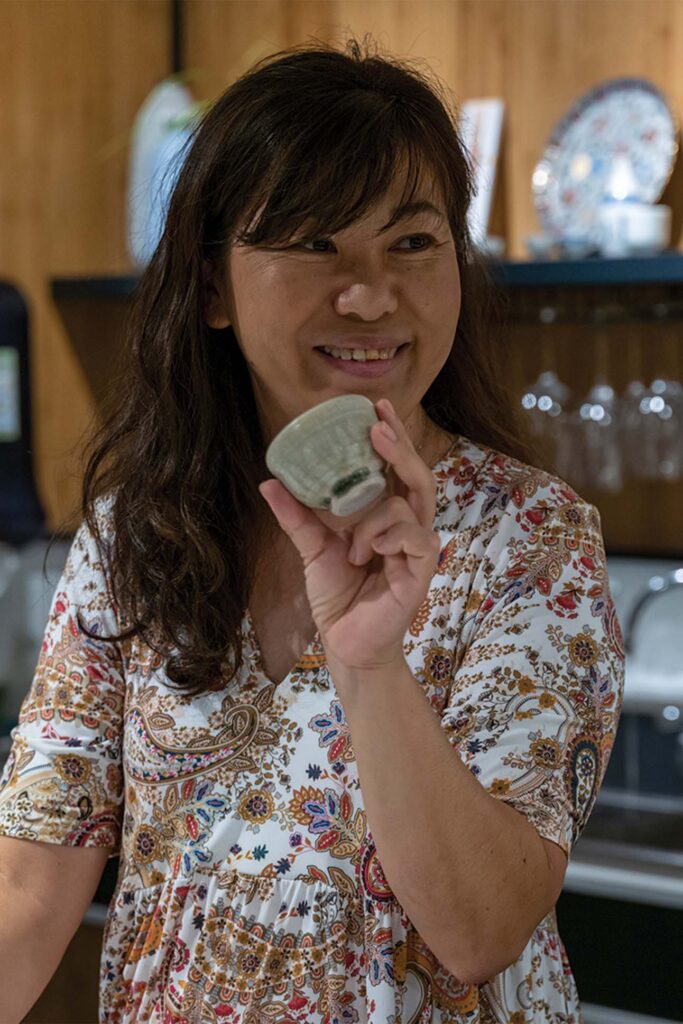
Sake involves living organisms—kōji and yeast—and, like all living things, they are susceptible to influence from their environment. “People here in Hawai‘i are relaxed,” Hirose says. “So maybe microorganisms are relaxed.” Takahashi nods in agreement. She fell in love with Hawai‘i when she first visited in her early 20s, drawn to the beauty, people, and easy pace of life in the islands.
Whether due to Takahashi’s scientific precision or the aloha spirit that invariably works its way into each bottle, Islander Sake’s growing fanbase is testimony that something is working. The company’s portfolio of junmai ginjo, junmai daiginjo, and island-inspired sakes flavored with tropical fruits, such as pineapple and liliko‘i, have proven to be crowd pleasers. But behind Takahashi’s desire to spark a sake revival in Hawai‘i and beyond is another, more personal intention: to bring people together.
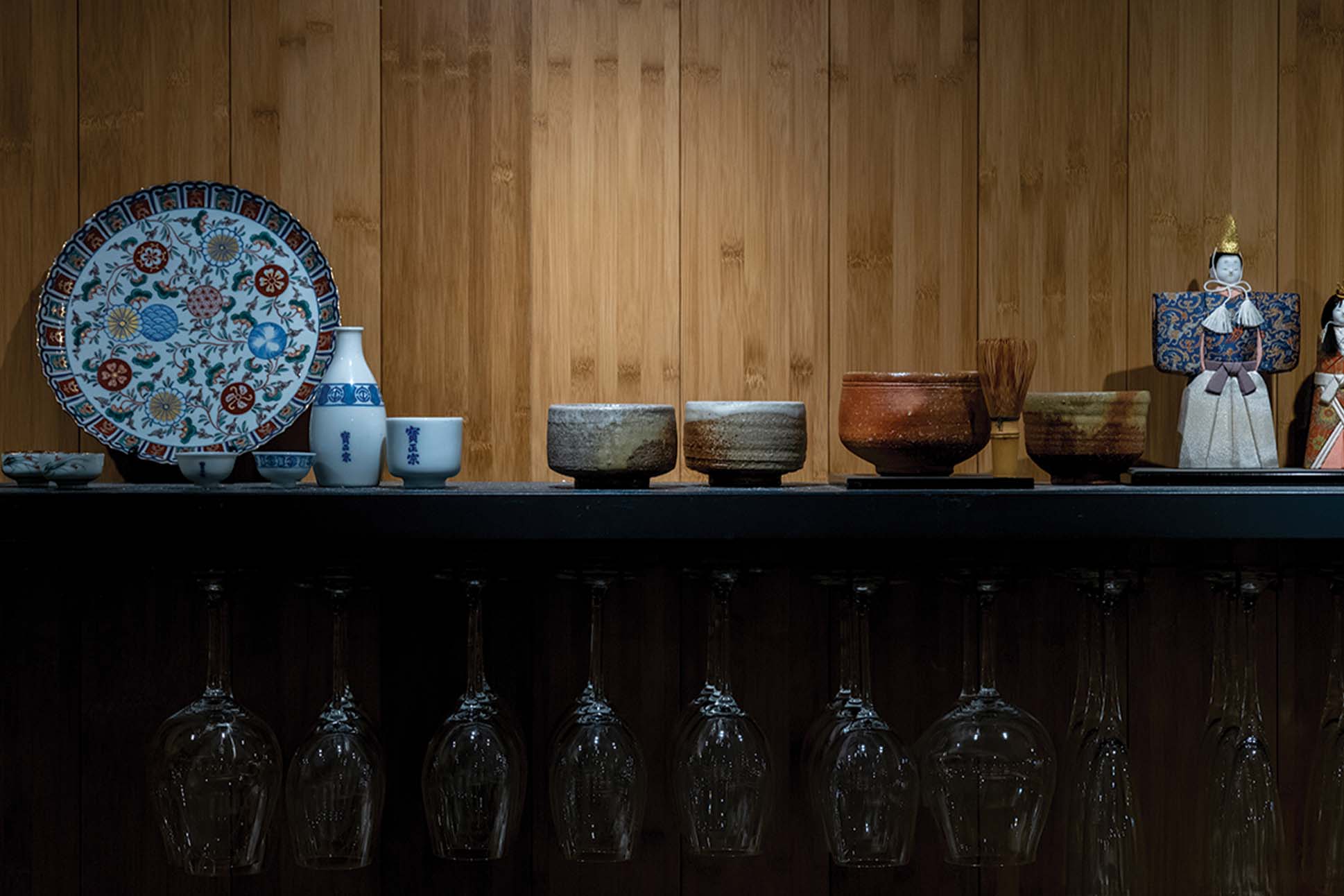
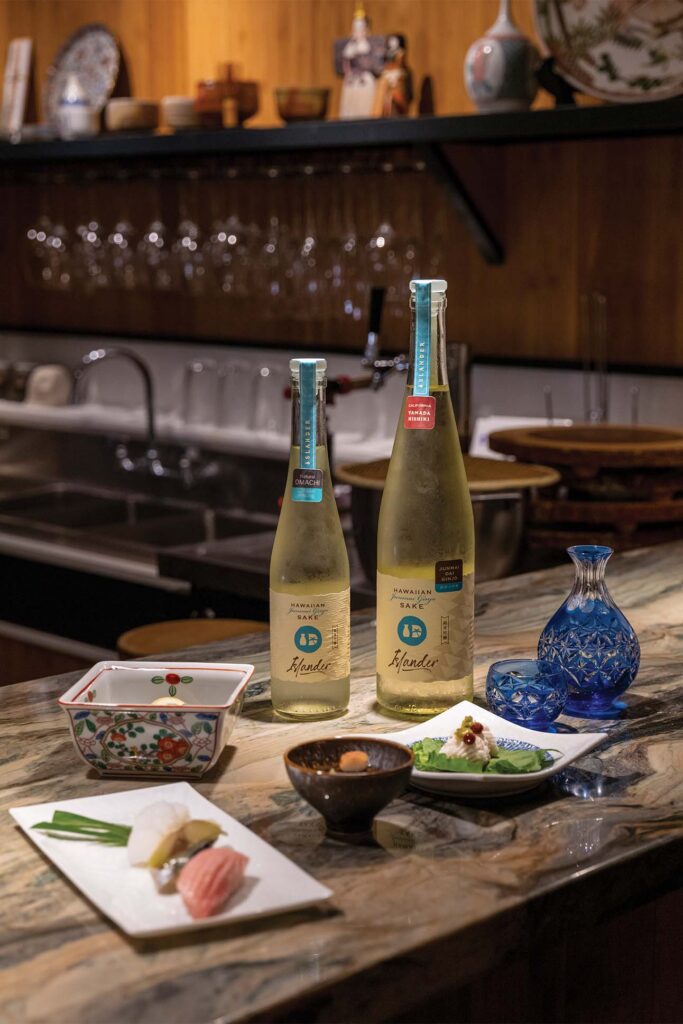
At a dinner seating in the brewery’s Engawa restaurant, a convivial air greets guests as they step through the noren curtains at the entrance. A visual symphony of courses soon follows, each dish an overture to the next. The food is exquisite in its simplicity: simmered hijiki, grilled kampachi, intricately carved ika, richly marbled otoru. All are a nod to the Japanese minimalistic approach, Takahashi explains, allowing flavors to shine in their most pared-back form. Paired with the sake, each dish soars anew.
Here, Takahashi is thousands of miles away from her homeland, and worlds away from her previous work in medical research. Still, she knows medicine is no match for the healing powers of happiness.
Hawaiian Shochu Company
Ken Hirata was eating a plate lunch during a visit to O‘ahu from Japan when he had a thought: “I could make shōchū in Hawai‘i.” The surprising catalyst? Poi. The sticky, purple Hawaiian staple made from taro led him to think of the sweet potato, a similar crop that grows well in the islands and an essential ingredient for Japanese imo shōchū.
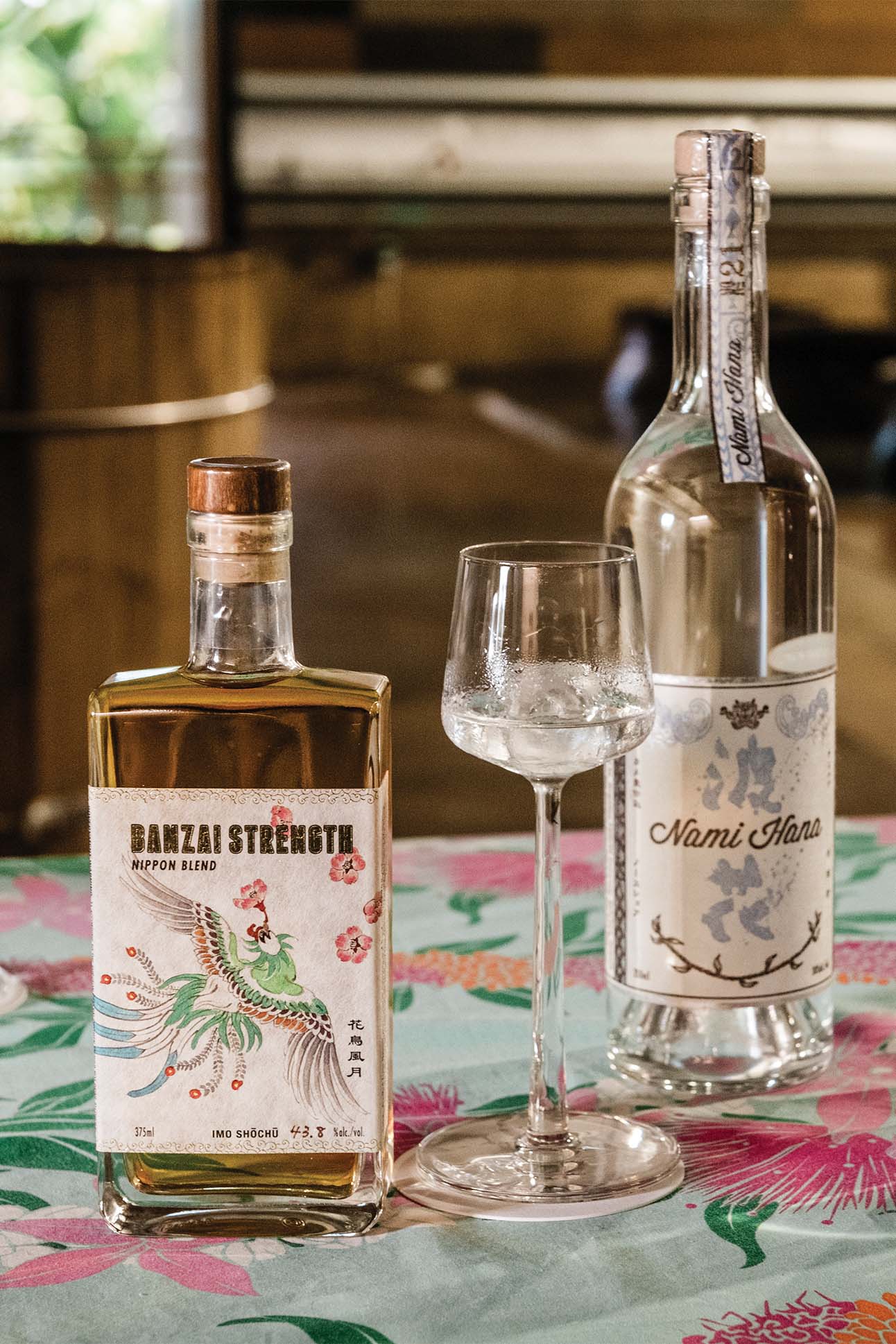
After a four-year-long shōchū-making apprenticeship in Kagoshima, Japan, Hirata returned to Hawai‘i and launched Hawaiian Shochu Company in 2013. Since then, his Hale‘iwa brewery has produced 22 batches of Nami Hana, his signature imo shōchū made from local sweet potatoes. Imo shōchū is just one variety of shōchū—any ingredient can be fermented and distilled into the spirit—but, Hirata says, “in order to be called authentic shōchū, kōji must be applied.”
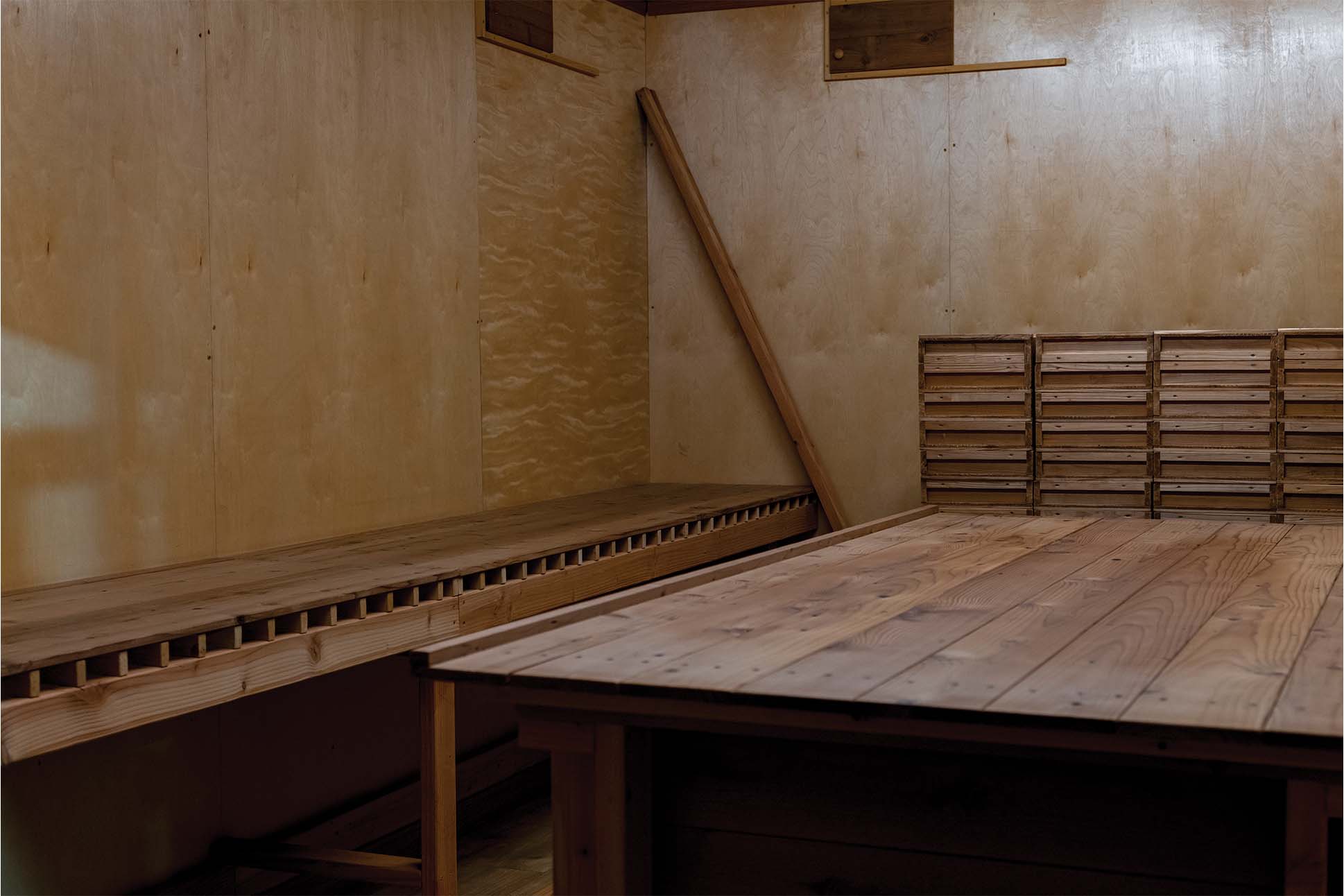
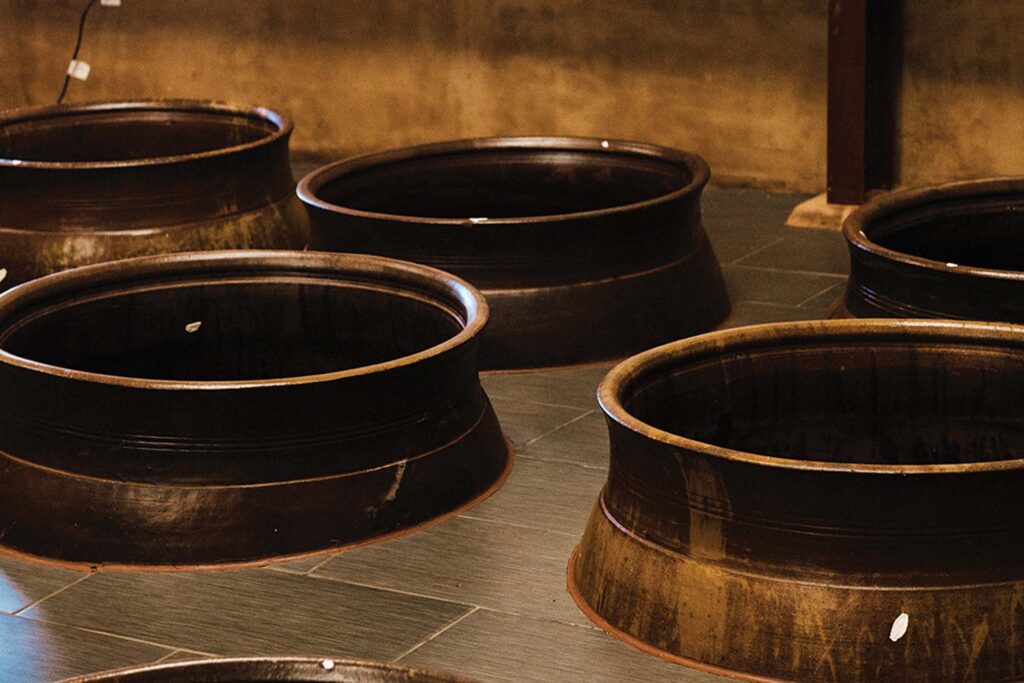
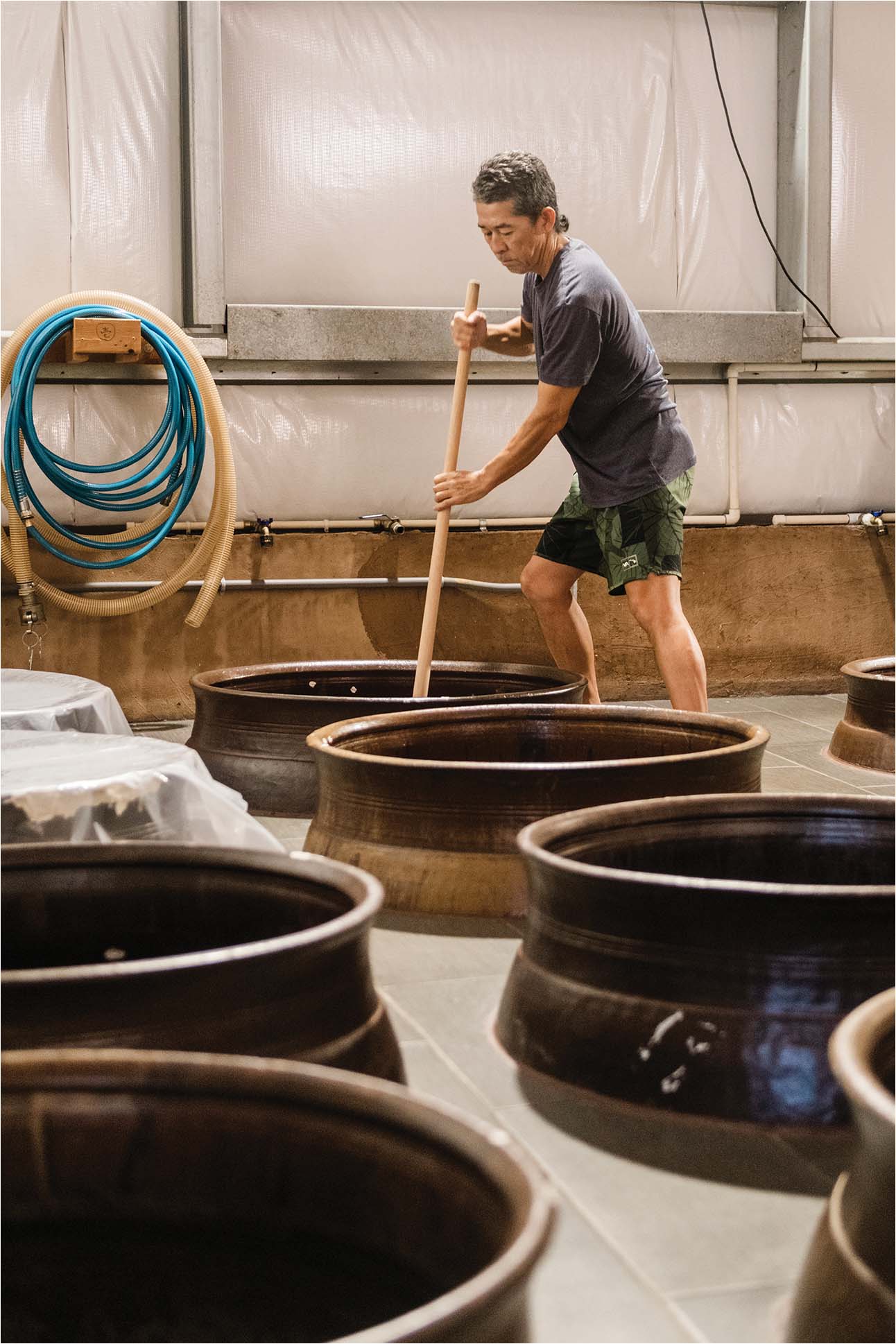
To cultivate kōji, Hirata engineered his own kōji muro, a special room where shōchū’s key ingredient is fermented. The 11-by-16 space, wood-paneled from floor to ceiling, features a large table where Hirata places steaming piles of organic heirloom rice grown in California and sprinkles them with kōji spores. Once ready, the kōji rice is brought from the kōji muro and combined with water and yeast to ferment for about a week in 150-year-old clay pots sunk into the distillery floor. Outside, in his front yard, Hirata steams sweet potatoes in a giant wooden box, then adds them to the kōji rice mixture, or mash, where they ferment for just over a week. Once the mash bubbles a vibrant, purplish magenta, it’s ready for distillation.
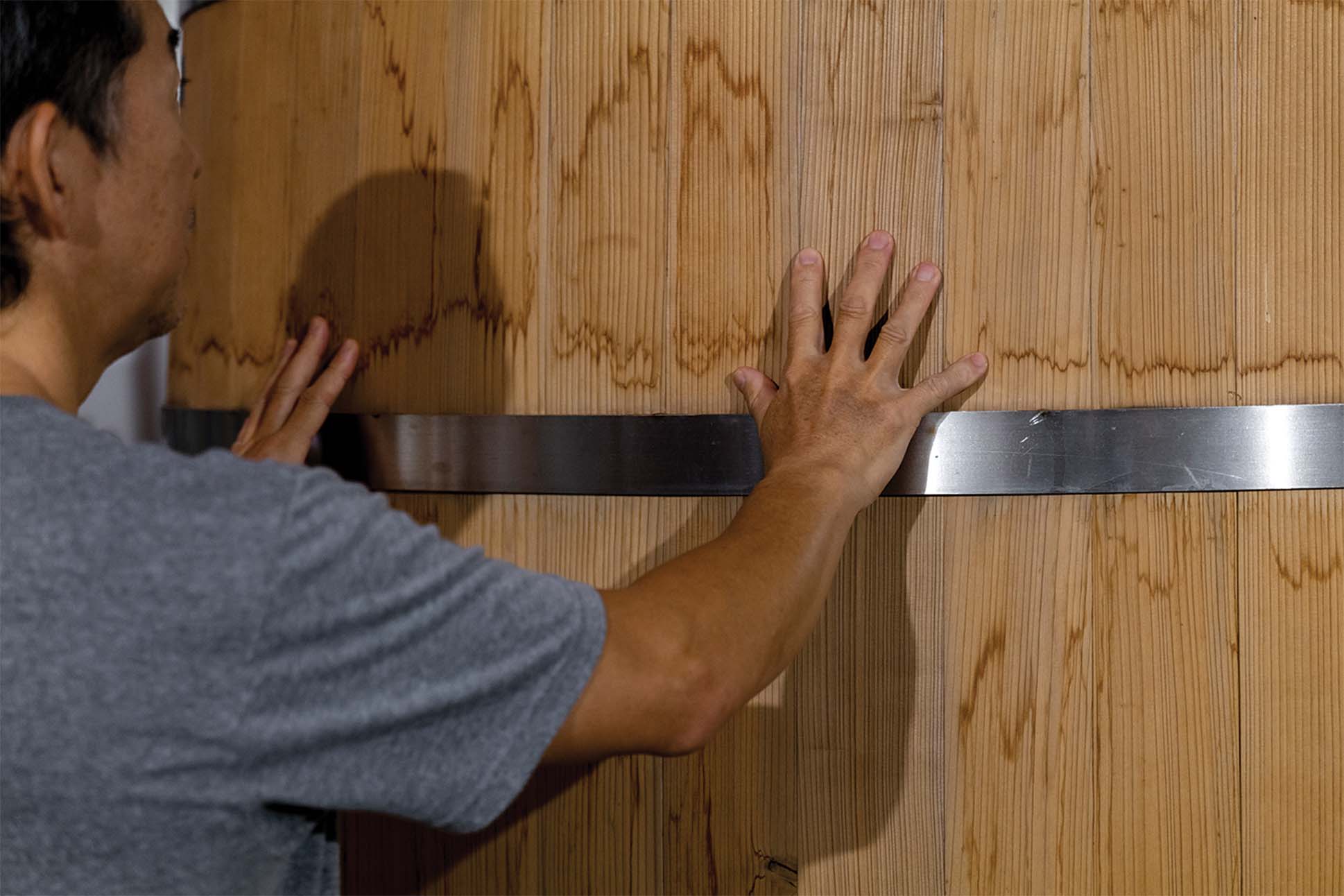
Unlike most distilleries, which utilize stainless steel tanks, Hirata opts for a traditional Japanese wooden pot. “Not so many people use this one anymore in Japan,” Hirata says. “I think it does something magical.”
Because shōchū-making is a laborious endeavor—each batch takes about six months to produce—each Nami Hana bottle is both an exercise in patience and a call to action; fans must place orders fast, as each production run of 200 to 250 bottles quickly sells out.
Among the popular Nami Hana varieties are Banzai Strength, an amber-colored, whiskey-style shōchū aged in barrels of Japanese mizunara oak from Hokkaido, and the aptly named Haleiwa Rainbow, a colorful shōchū gin that incorporates ogo limu, mango, tī leaf, hibiscus, and pomelo. All of his produce is sourced from local growers. “Without their support,” Hirata says, “we cannot make shōchū here in Hawai‘i.”