


Text by Geordie Shaver IV
Images by Geordie Shaver IV,
Mark Kushimi, and Michelle Mishina
Rising above a windswept reef, in the shadow of Lē‘ahi’s jagged walls, is an estate shrouded in mystique. Iconic in its grandiosity and unmatched in design and locale, the famed residence is surrounded by a suitably idyllic stretch of southern O‘ahu: soft sand, waves warm as bathwater, gentle tide pools prime for recreation. Fishermen, surfers, sunbathers, and tourists frequent this shoreline, many unaware of its proximity to the former playground of tobacco heiress Doris Duke, widely regarded in her time as the wealthiest woman in the world.
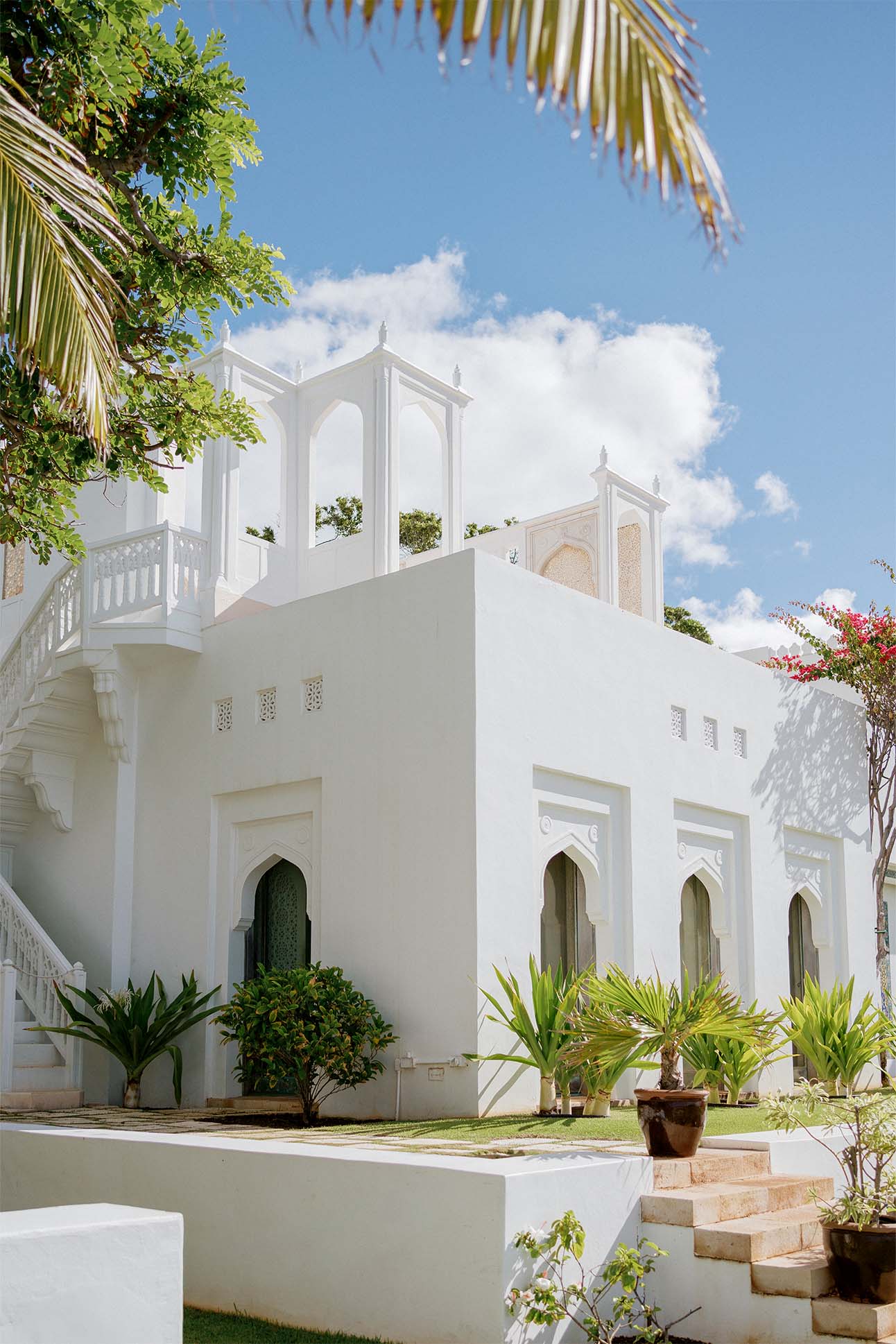
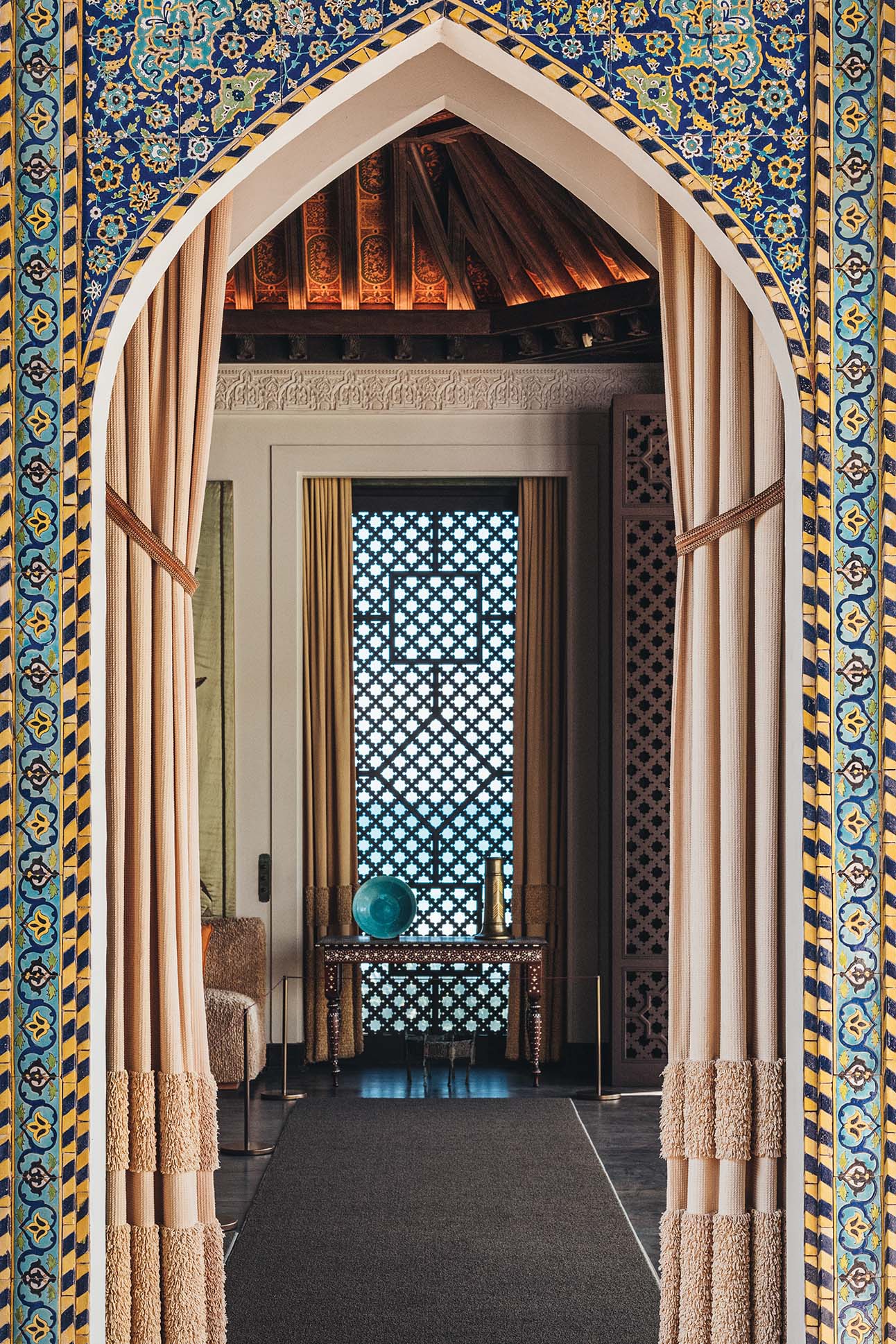
Enthralled by the Hawai‘i of her honeymoon, Duke commissioned the home in 1936, modeling its design after the Islamic architecture she encountered abroad. Working closely with architect Marion Sims Wyeth, she envisioned a sun-drenched retreat in which she would house her growing collection of Islamic art. No expense was spared, and upon its completion, it became Hawai‘i’s most opulent estate.
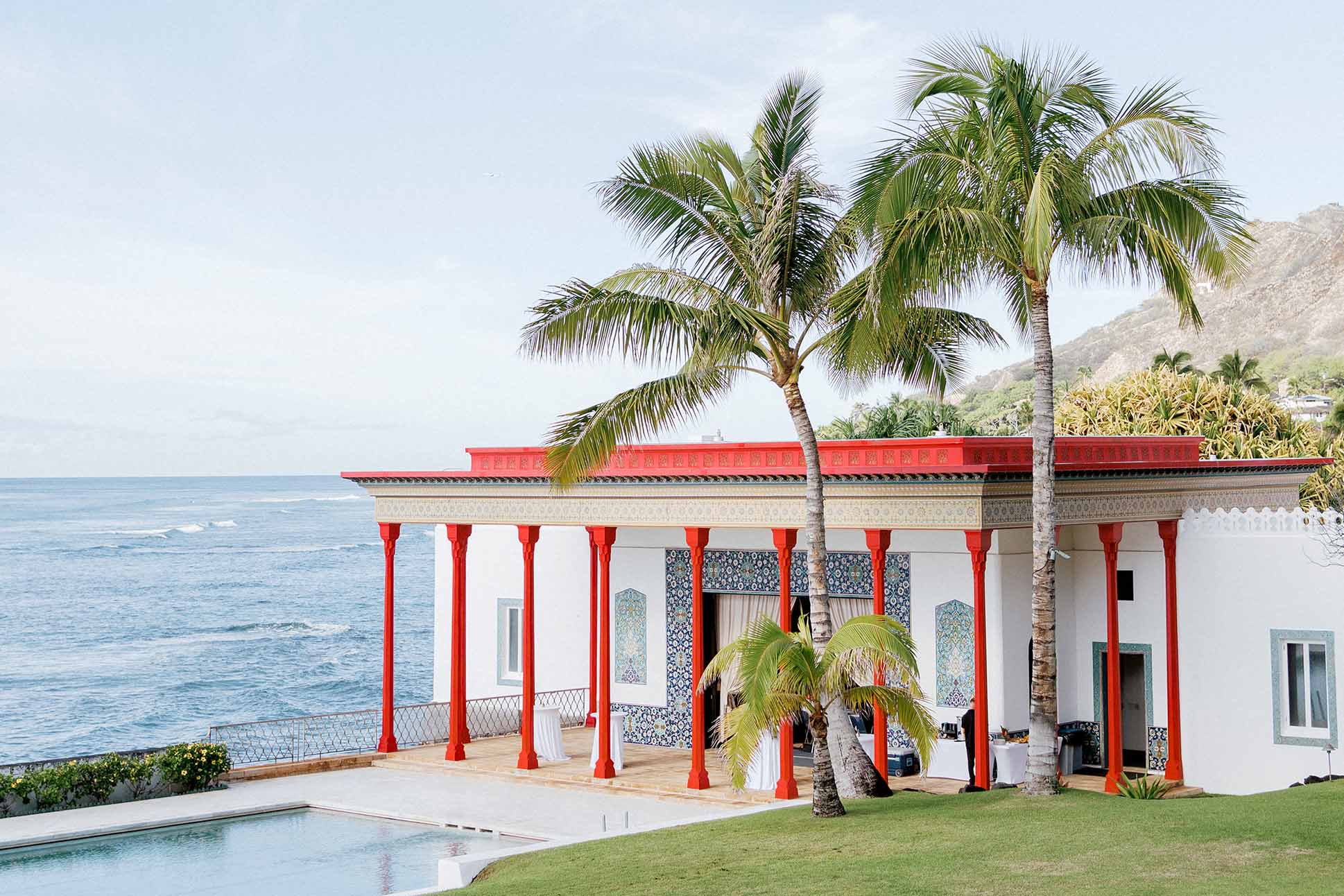
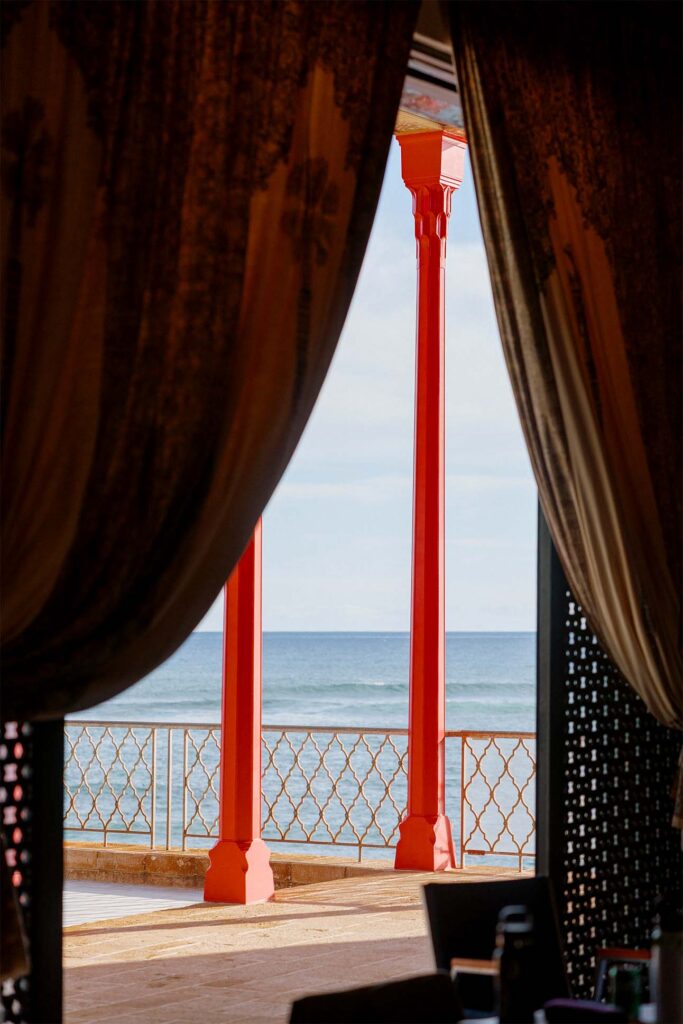
Sprawled across nearly five acres, its single-story, white-stucco structures dazzle in the sunlight. Within, spacious courtyards are adorned with intricate tilework, many dating from the Safavid Empire and sourced from the historic city of Isfahan, Iran. At one end of the estate, overlooking a reflecting pool ensconced by a deck of marble, is an extravagant structure modeled after Chehel Sotoun (Forty Columns), a 17th-century Isfahan palace. Its striking red pillars stand in resolute contrast to the electric blue Pacific Ocean beyond.
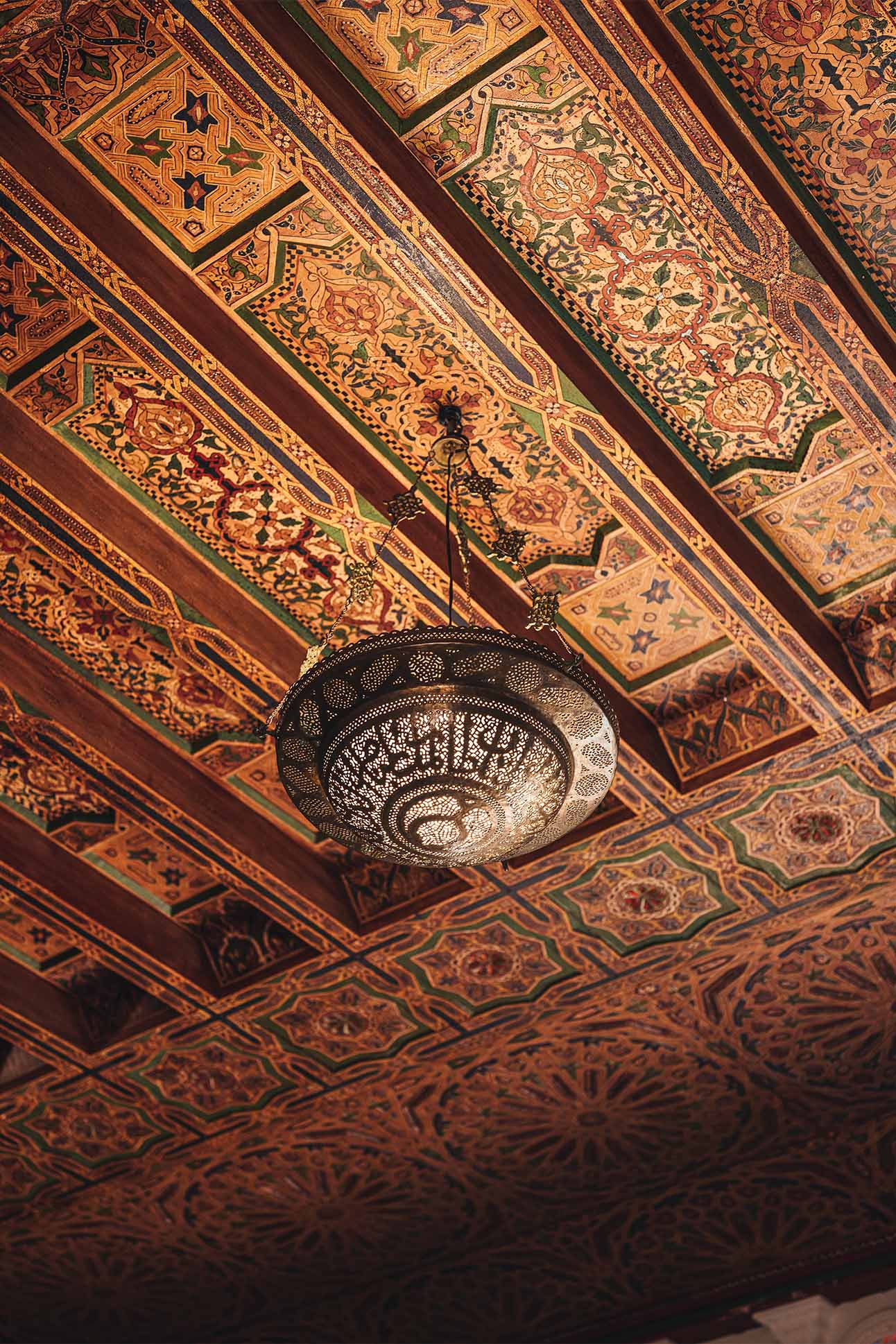
Much of the home was crafted by artisans from across the Islamic world and shipped to O‘ahu to be carefully assembled. Jali screens, intricately carved from marble, were sourced from India for Duke’s bedroom and the open-air pavilion. A ceiling of decorated cedar, carved and painted with complex geometric patterns, was brought in from Rabat, Morocco.
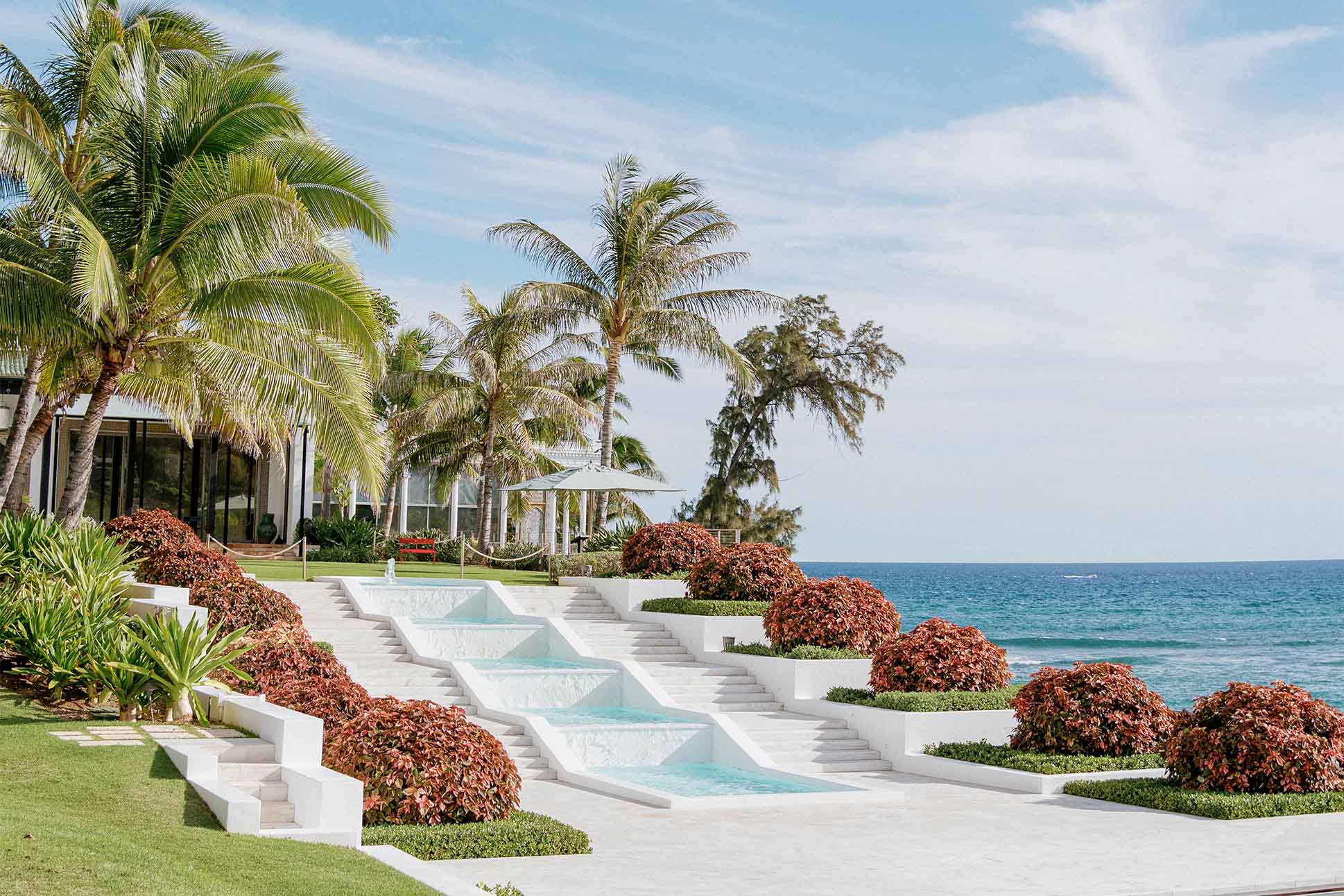
The Mughal Garden, with its manicured cypress trees and sweeping views of the Pacific, was modeled after the expansive gardens of South Asia. The garden’s traditional chahar bagh (four-part garden) layout—an earthly representation of paradise as described in the Quran—is in keeping with the moniker Duke adopted for the lavish residence: Shangri La. Named after the mythic utopia of James Hilton’s 1933 novel, Lost Horizon, Shangri La is an apt invocation of what the dwelling would come to represent.
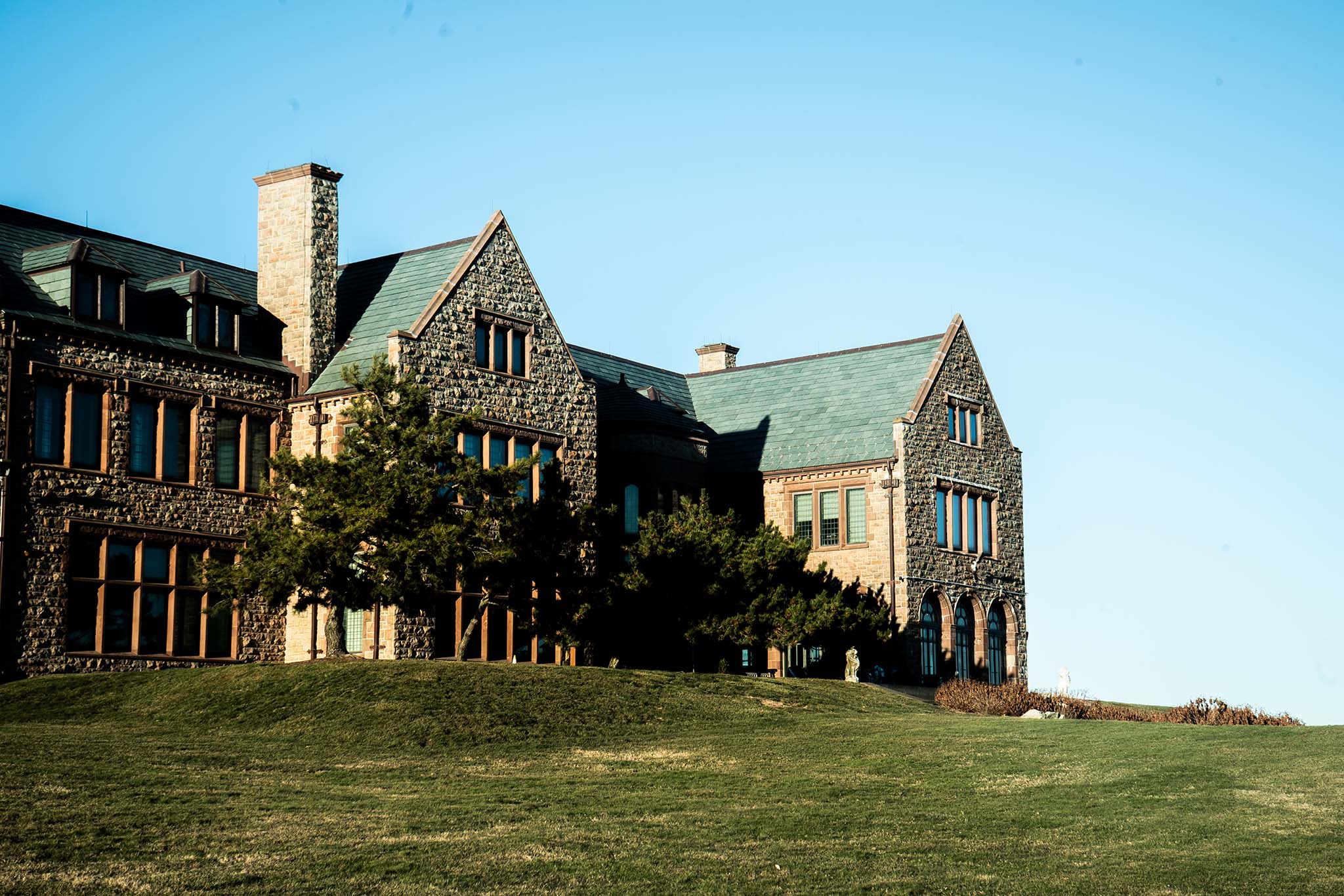
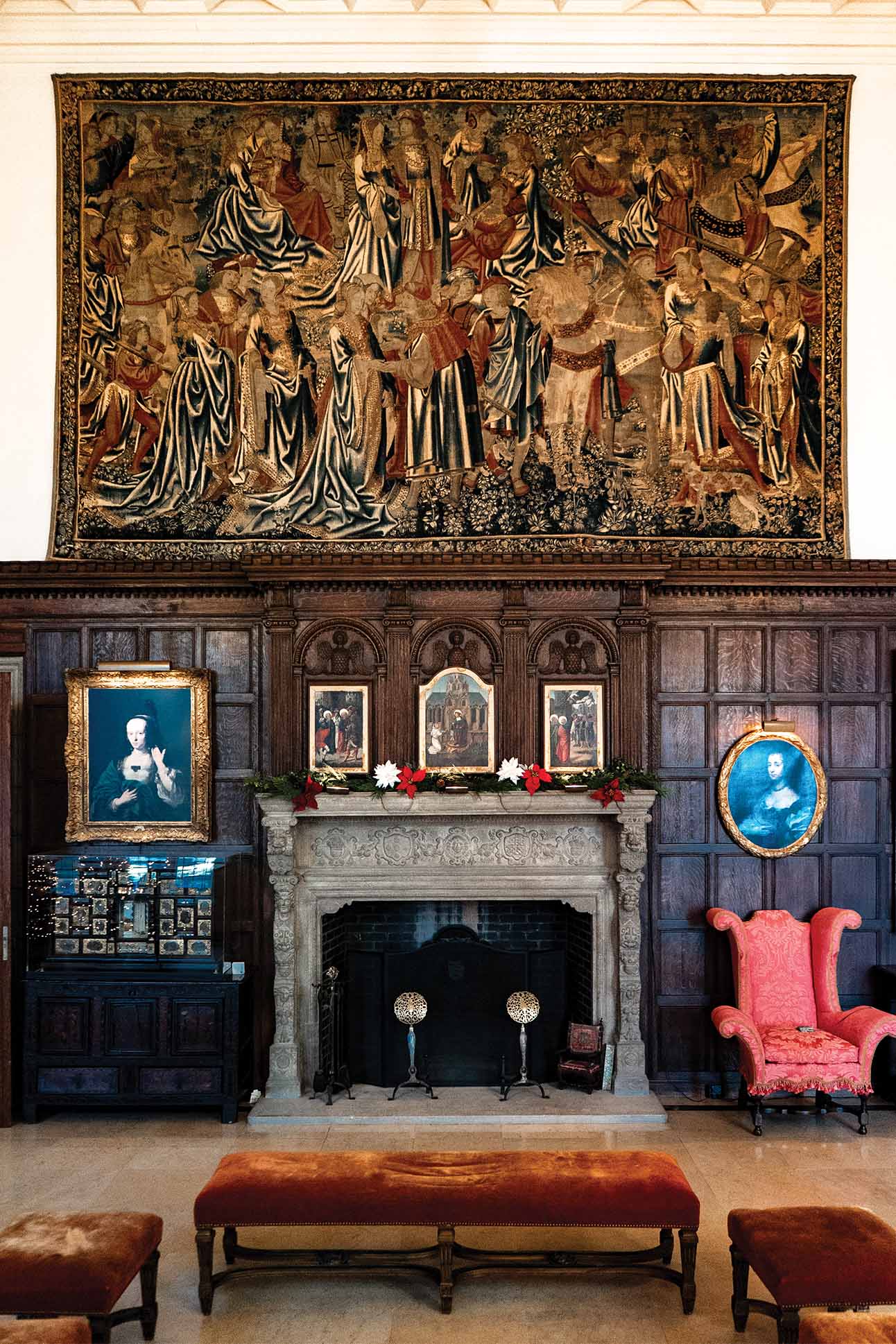
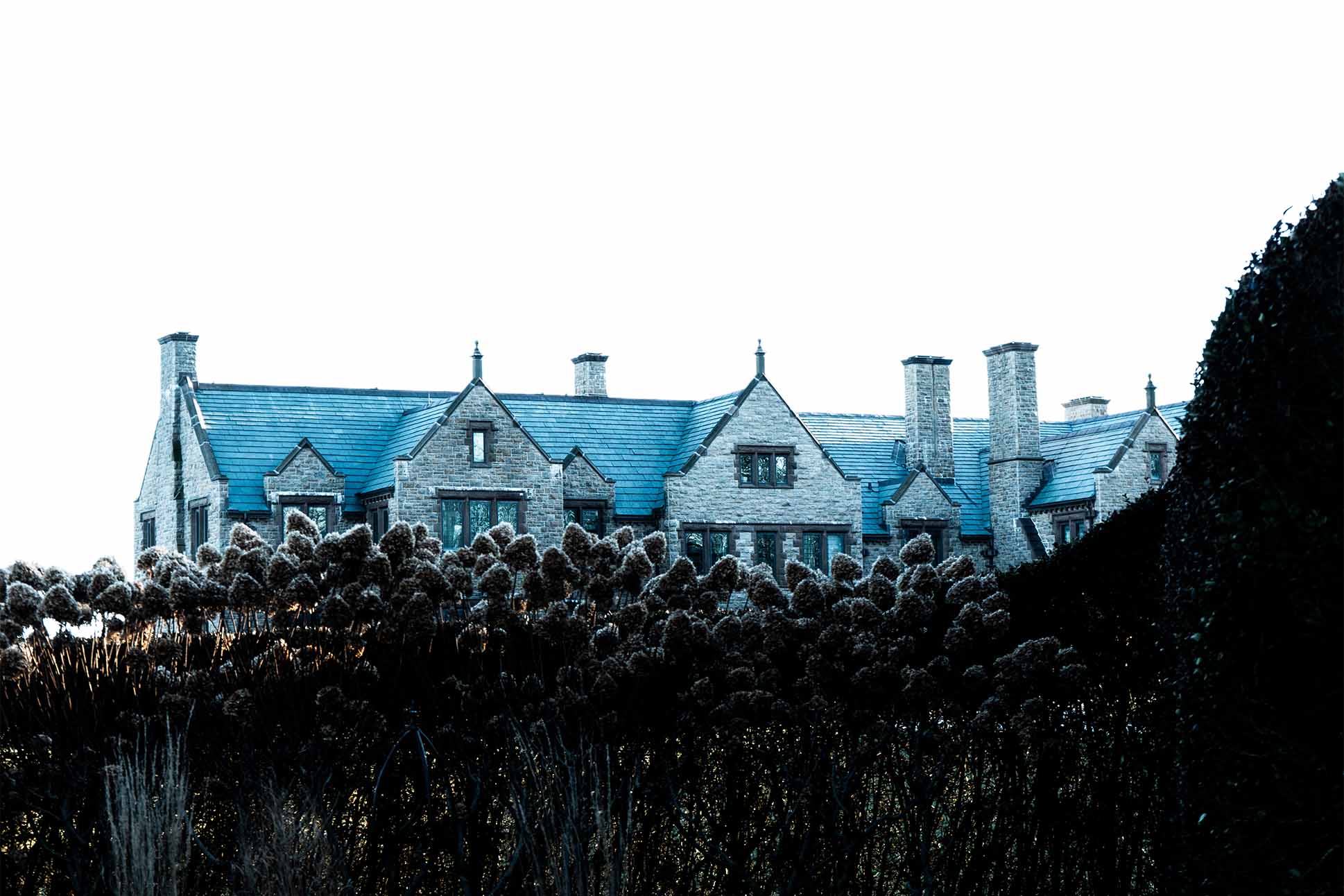
Five thousand miles away, in the coastal enclave of Newport, Rhode Island, a brooding manor stands in sharp contrast to this paradisiacal splendor. If Shangri La is a dreamscape incarnate, then Rough Point, Duke’s lifelong summer home, is like something out of a film noir. Sprawling grounds are set beneath the estate’s fortress-like silhouette, designed to emulate the country homes of old England. Hewn from granite and red sandstone, the imposing manor projected wealth in an era of Gilded Age aristocracy. Among the grandest on famed Bellevue Avenue, Rough Point was an unfiltered display of power, heritage, and taste.
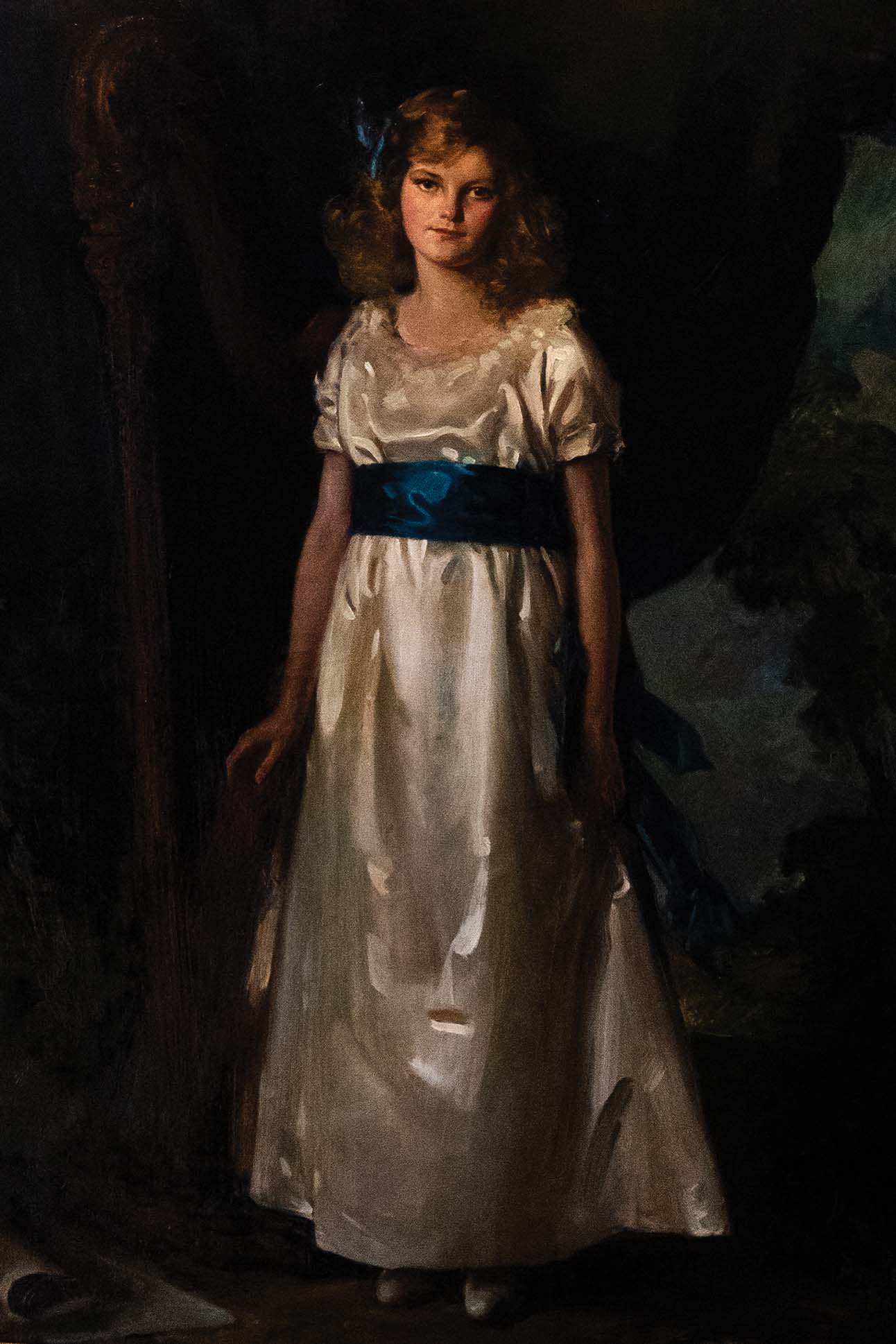
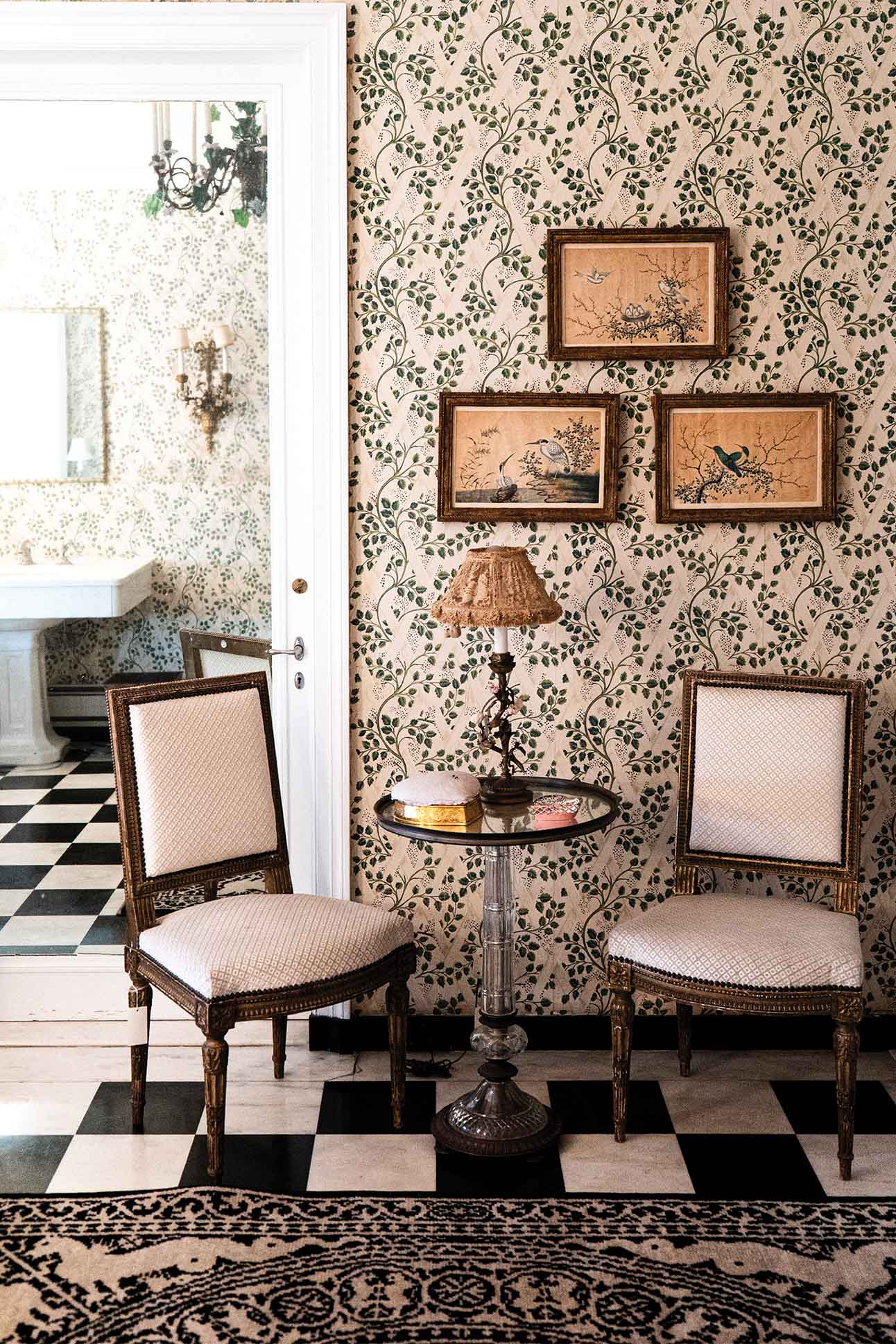
At just 12, Duke inherited the expansive property from her father, tobacco magnate James Buchanan Duke, upon his passing in 1925. Once she assumed stewardship, Rough Point was made entirely her own. Her eclectic art collection flooded the halls, alongside the classical heirlooms bequeathed by her parents. Dark oak panels were emblazoned with color. Her pet camels roamed the grounds freely.
The change was not welcomed by onlookers and neighbors. Her bohemian lifestyle and embrace of global culture seemed a threat to the tight-collared, pearl-clutching upper crust of New England. Her inheritance and jet-setting ways made her a perennial topic in the tabloids, which found a public ravenous for gossip.
Knowing this, it is clear that Shangri La was more than a holiday home. Secluded and spiritual, the retreat embodied for Duke the fictional haven of its appellation. She immersed herself in island life, befriending legendary Olympian Duke Kahanamoku and learning to surf on a bright yellow board shaped by Dale Velzy. The islands provided her with a social freedom unthinkable in high society back east. This unfetteredness is reflected in Shangri La’s ambitious construction, where a vision inspired by Duke’s worldly interests was realized.
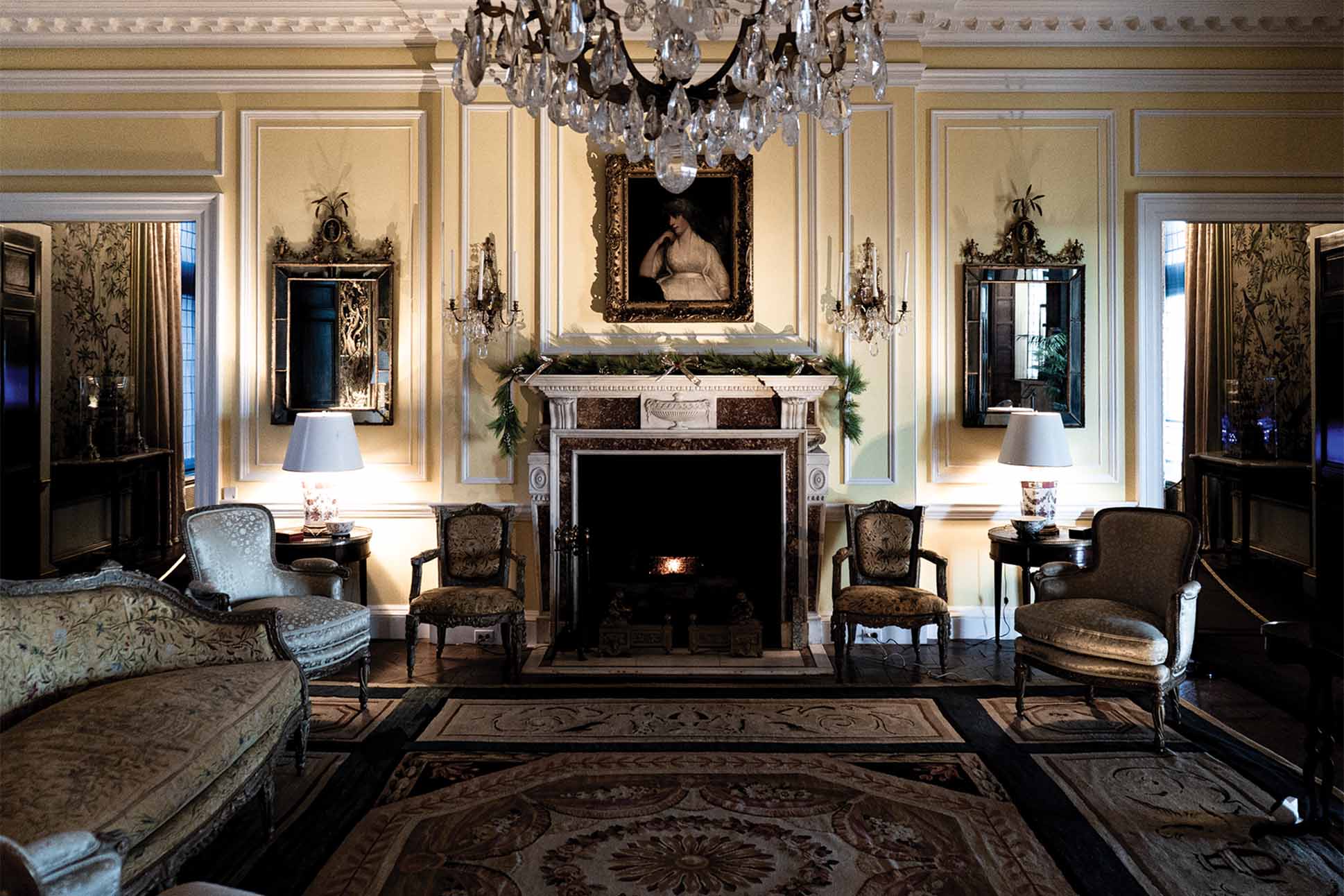
At a glance, the homes are entirely antithetical. And yet, among Duke’s dozens of properties throughout the country, Shangri La and Rough Point were her most cherished. Even now, over three decades after their owner’s passing, they remain meticulously preserved, entrusted to foundations under Duke’s name. How could such wildly different estates enrapt one woman?
Despite their aesthetic differences, striking similarities exist. Positioned atop rocky, cliffside outcrops fully exposed to the elements, each home is shaped by its proximity to the ocean, foregrounding expansive views of glimmering Pacific swells or wind-ravaged Atlantic breakers. Most importantly, Duke emphasized a sensibility for art and design, curating spaces where her patronage of the arts could flourish.
Still, each home represents a distinct facet of Duke’s life. Perhaps their respective names are no accident. Rough Point, an unwavering reality. Shangri La, a dream in which the hum of the world falls silent and the simple act of being, if only for a moment, takes precedence.