


Interview by Mitchell Kuga
Images by Hiroshi Manaka
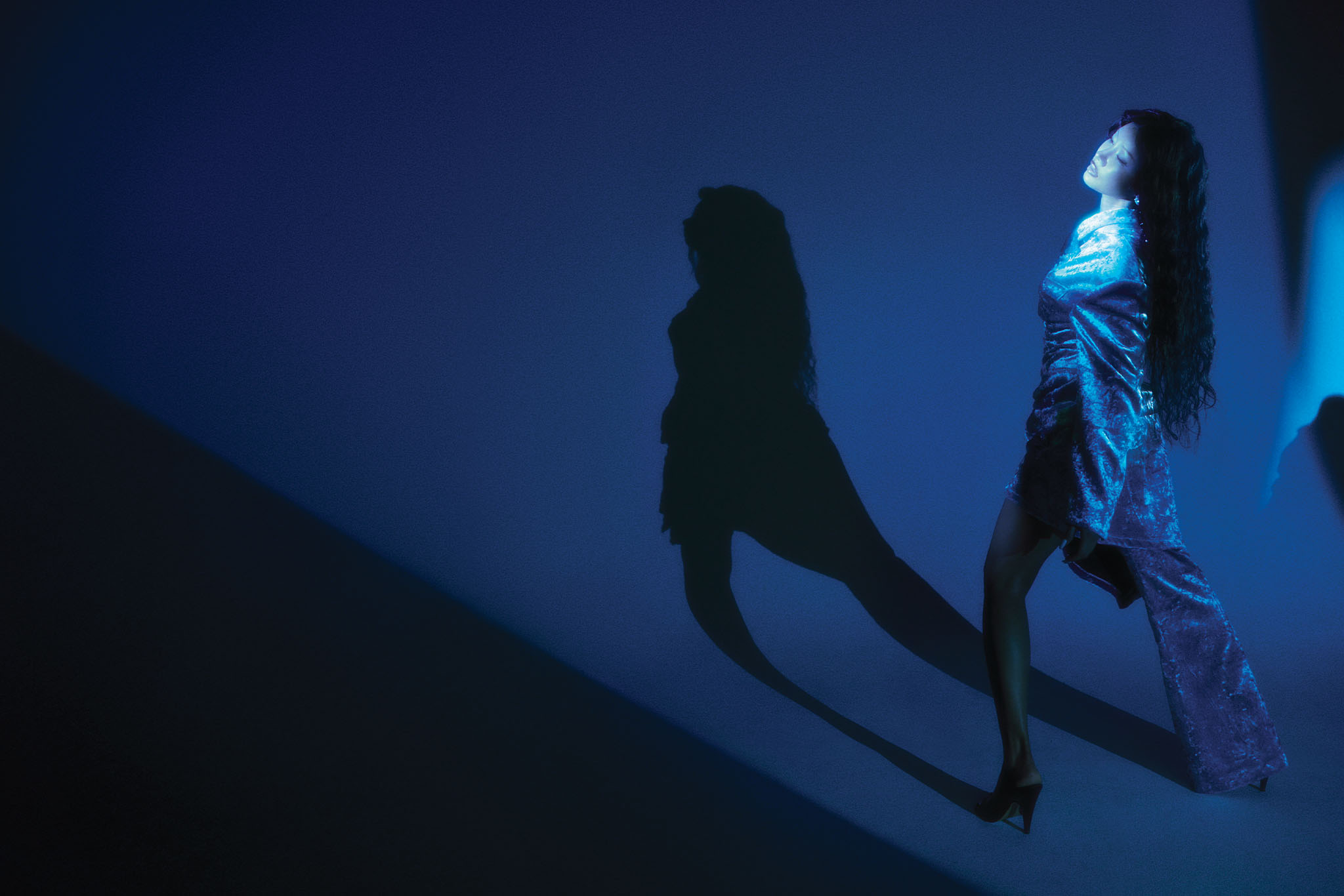
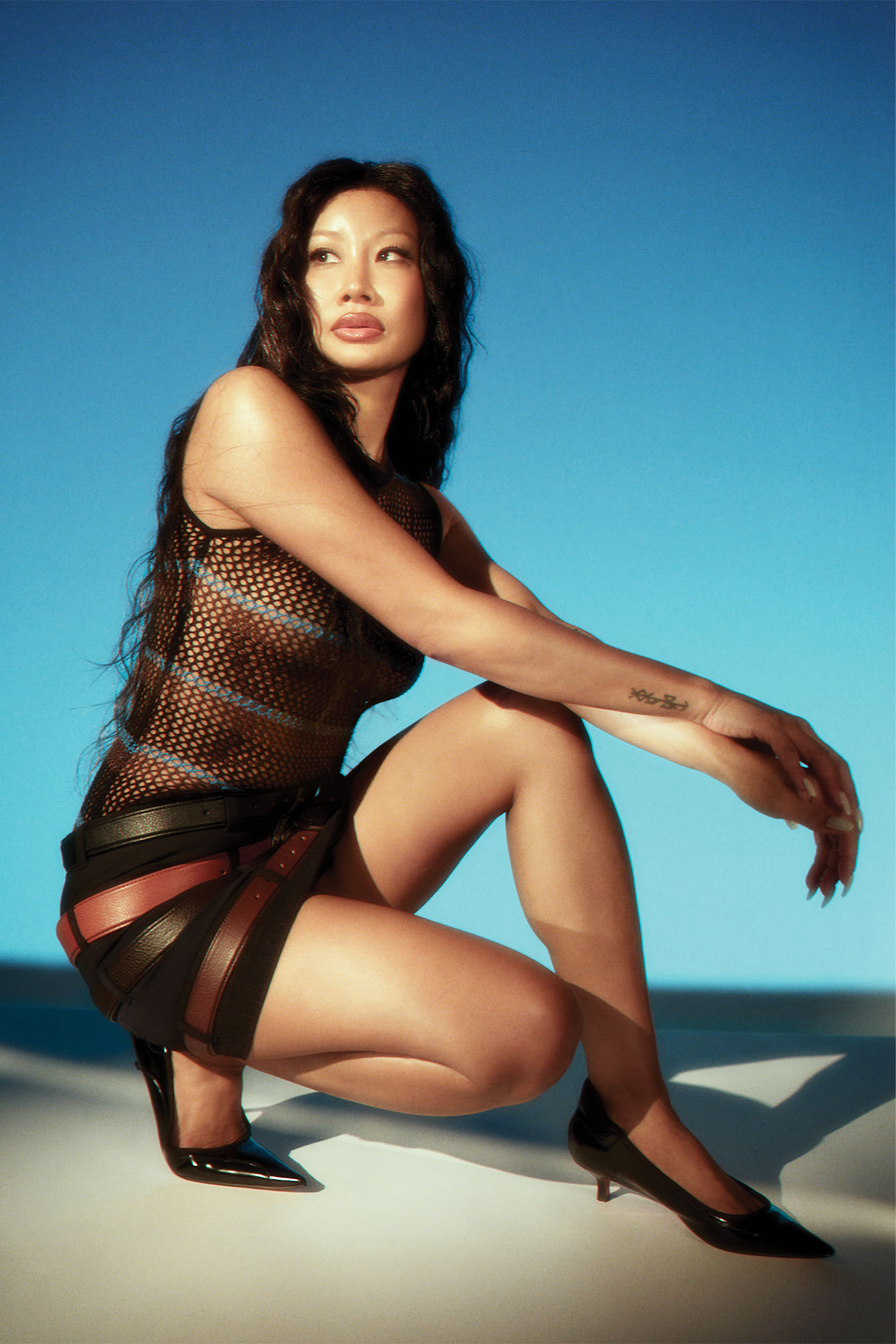
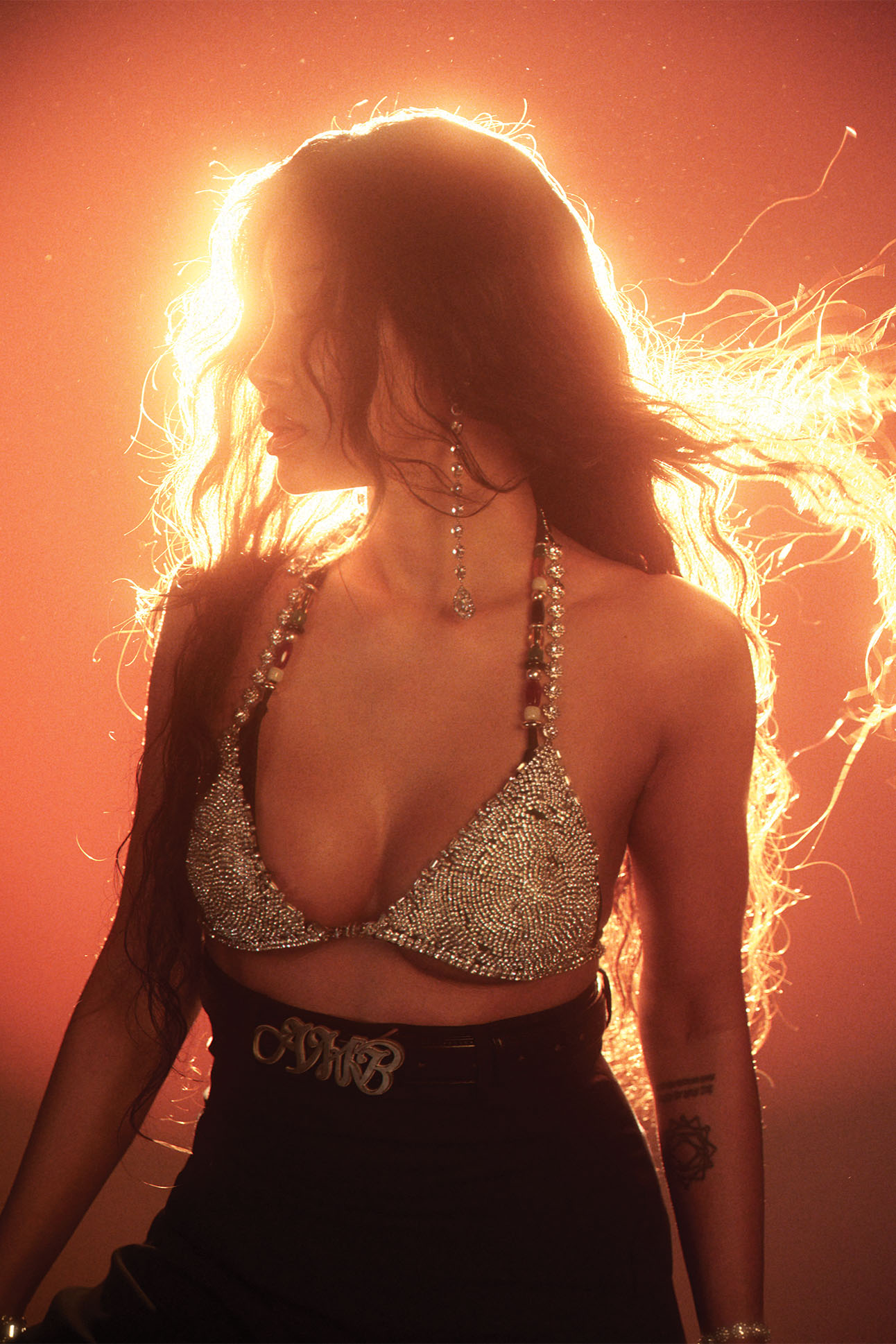
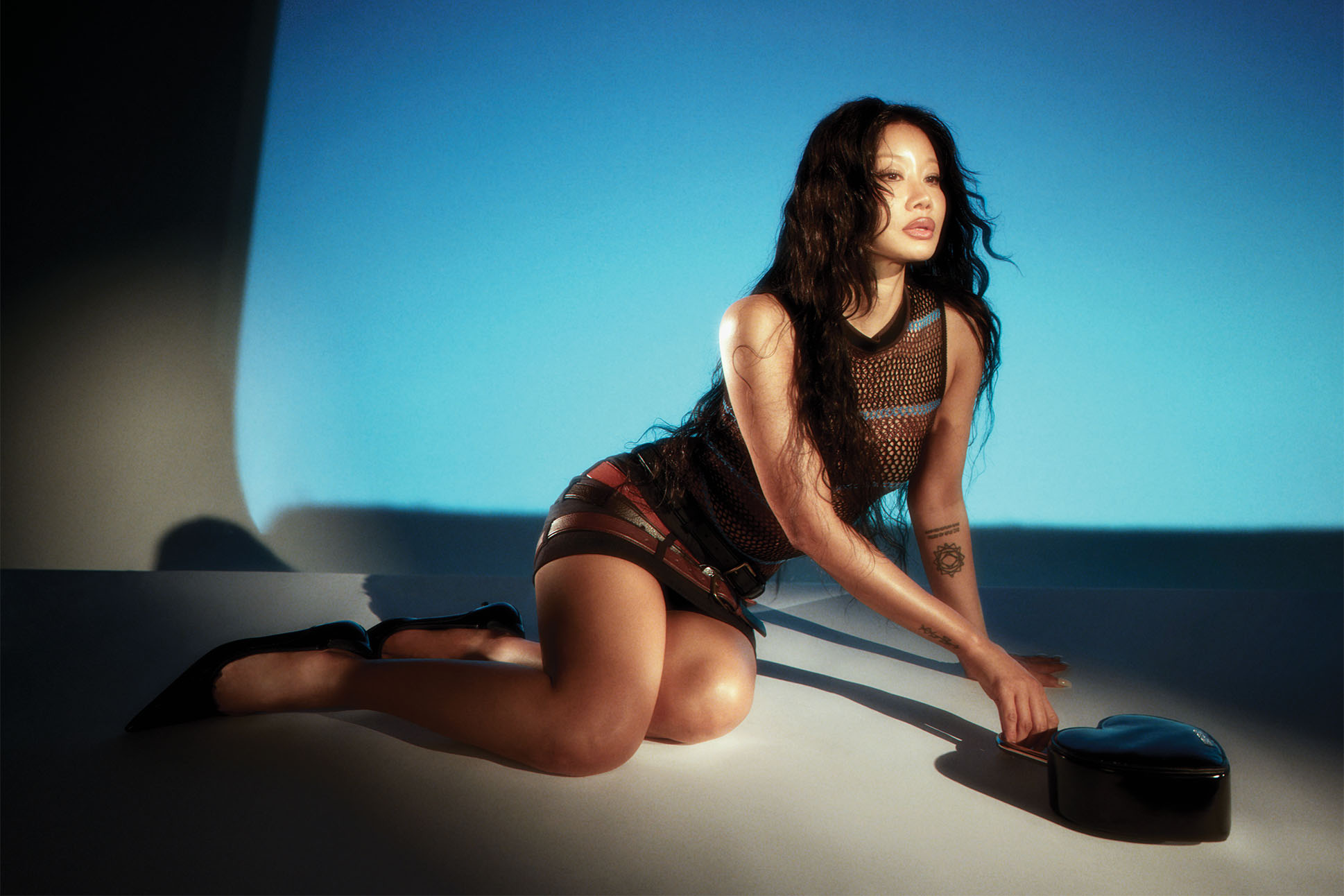
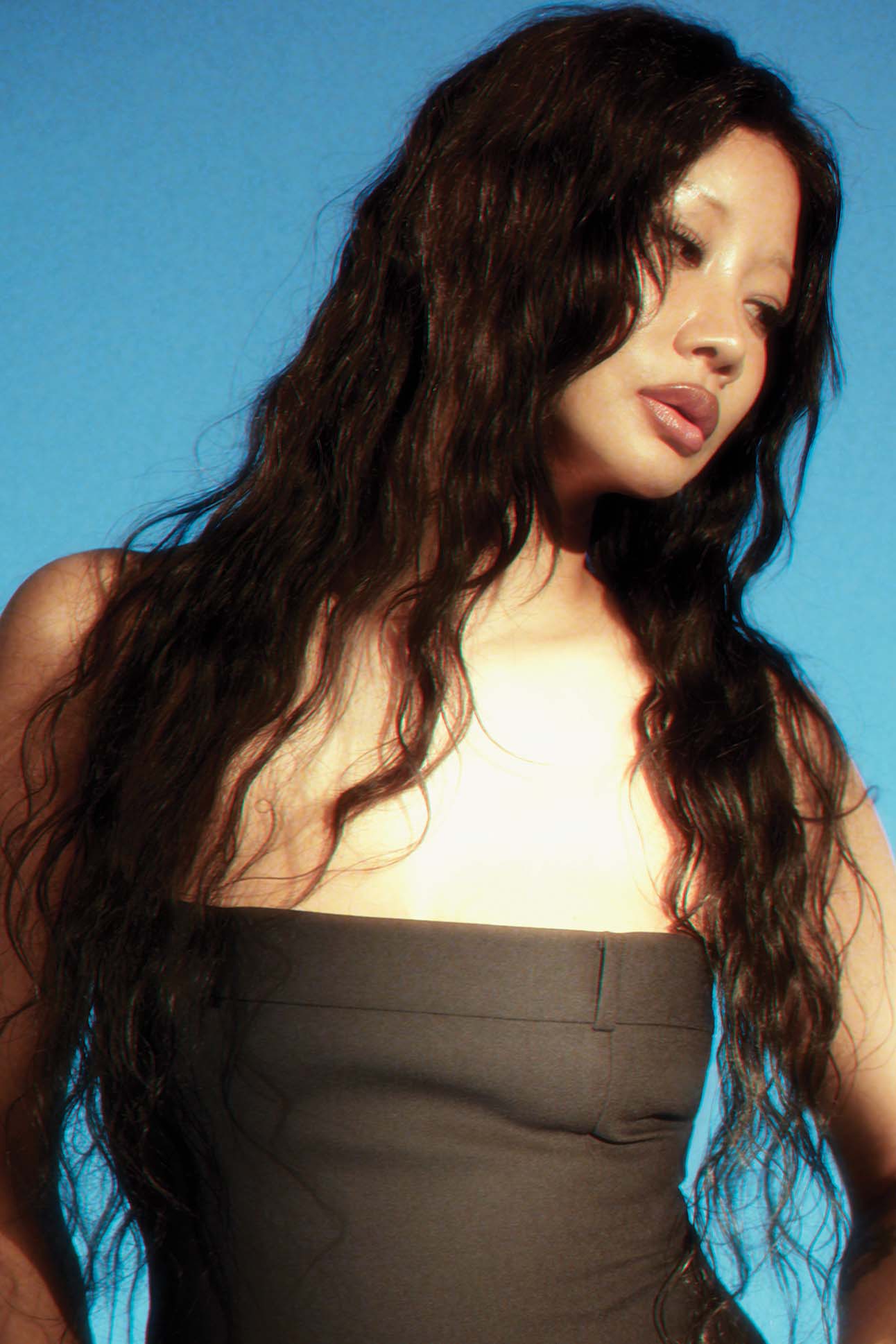
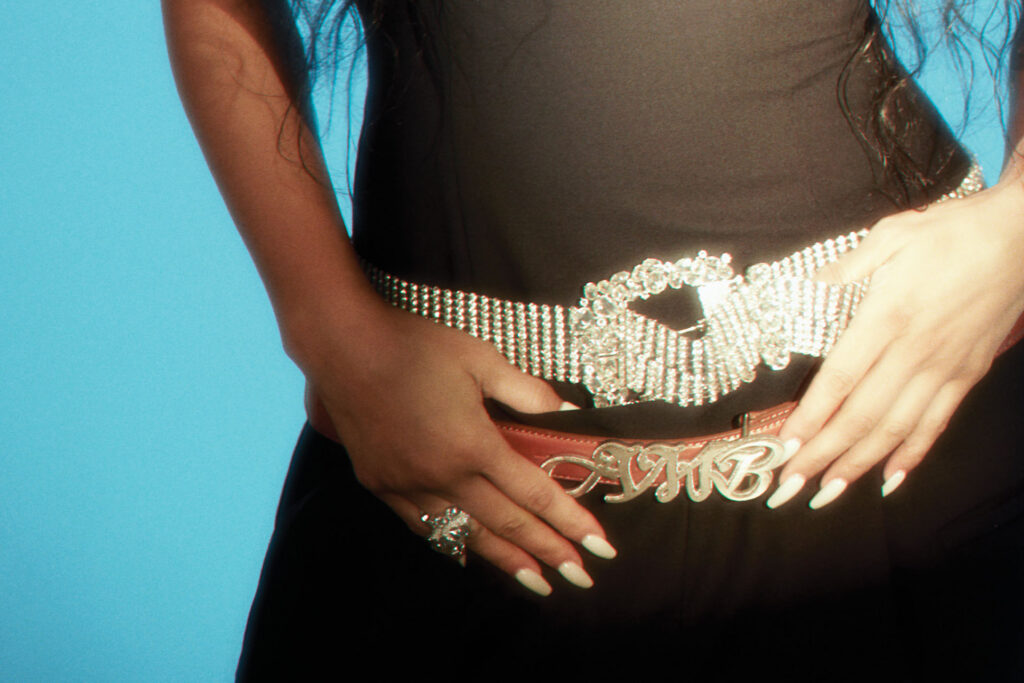
Featuring looks from Ambush’s
Spring / Summer 2026 collection
Stylist Yoon
Hair and Makeup Artist Sakie (FLEURI)
Lighting Technician Ryuichiro Suzuki
Lighting Assistant Kaito Chiba and Yu Teramoto
Retoucher Yuki Nakazato
Yoon Ahn is most comfortable in motion. As a military kid who moved between O‘ahu and different parts of California before eventually settling into Seattle, the Korean-born, Tokyo-based fashion designer starts feeling antsy whenever she’s in one place for too long. “Moving was so stressful, but adaptability became such a big part of my character,” says Ahn, 49, who co-founded the fashion label Ambush in 2008 with her partner, the Japanese music producer and artist Verbal. “I describe it this way to my friends: I always have the window open so new air can come in. Otherwise, I feel stuffy.”
Lately, though, Ahn has felt inspired to slow things down and approach what she describes as a new chapter of Ambush with more intentionality. She’s particularly interested in moving at a pace more in tune with the tides of her curiosities, which currently include everything from sculpture to space travel, rather than the external pressures of the fashion calendar. “I think this decade requires a different way of moving,” says Ahn, speaking over Zoom on a sunny April afternoon in Tokyo. “It’s about creating the pace that you want in order to create the beautiful world that [customers] can only get from us, and then going from there.”
Ahn, who studied graphic design at Boston University but never went to fashion school, entered the fashion industry through the Tokyo party scene. As a club kid in the early 2000s, she started making jewelry as a hobby, handing out her pieces to friends at parties. When one of those pieces—her now-iconic Pow! pendant, which she co-designed with Verbal, rendered in cheeky lettering reminiscent of a comic book—surprisingly ended up on the likes of Pharrel, Kid Cudi, and Ye, Ahn found herself at a crossroads: be a one-hit wonder, or build something off their success?
Everything was just about what I believed in. It was hard to put it in a box, but it’s OK. Sometimes, you’re just unreasonable until you become the blueprint.
The pair started Ambush as a unisex jewelry line before expanding into hip-hop inspired clothing and accessories in 2016. The brand, an early pillar in the Tokyo streetwear scene, has collaborated with everyone from Nike and Sacai to Coca-Cola, and was a finalist for the prestigious LVMH Prize in 2017. The following year, Ahn’s unorthodox approach to jewelry design—think silver and gold bracelets resembling zip ties or her iconic lighter-case necklace—earned her the role of director of Dior Men’s jewelry line, a position she held until 2022. Here, we sat down with the designer to talk about Ambush’s new chapter, her thoughts on A.I., and the important role nightlife played in her 20s.
This interview has been edited and condensed for clarity.
MITCHELL KUGA You and Verbal put out a 255-page book with Rizzoli last year chronicling the history of Ambush. What was the process like combing through your archive?
YOON AHN As a creative person, after about a decade you’re kind of like, what’s the next chapter look like? Do I still want to go on this creative journey in the way that I’ve done it? Or do I go somewhere else? Because we grow, and the way we look at the world changes too. So, I feel like it was the right time to put out the book.
I told my friend at Rizzoli, I don’t think we have enough to even put in there. But as we started putting it together, we realized we have enough for three books, and we had to edit everything down. The process was fun. I got to look back at the things we worked on, and how much we grew. And also got excited about where things are heading.
MK Is there anything you felt most proud of?
YA When we started the little POW! ring, it was just a hobby. I wasn’t taking myself seriously. But I made it, and it caught on. I’m proud that I committed to the idea of going somewhere with it. That commitment we made to see how far we can push ourselves and grow and learn.
MK How would you describe this new chapter?
YA Intentional. It sounds weird to say that because I’m not saying we’ve not been intentional. It’s more that we were in a different time in fashion in the 2010s. It was a very industrial era for the industry, so speed and how quickly you can put things out mattered. We were going so fast.
But going into 2020, after how the world changed, everything we do needs to have much more intention behind it. And the brand has matured enough that we have the luxury to slow down a bit and see what our strengths are. To build things that feel like they can last longer than just a season.
That’s what heritage brands do so well. Some have been doing this for over a century. Ambush is still quite young, but we’re starting to adapt the heritage model in a more modern way.
MK How much of that approach is informed by your tenure at Dior?
YA A lot. Being able to think long term, to build slowly. The French and Italians are so good at being able to retell the story and bring new energy to it. Whereas in Asia, we seek newness all the time. Being able to walk both sides, I’ve found the right balance that works for us.
MK How does that tension between innovation and tradition inform how you approach things like trends?
YA It’s good to be aware of it. But trends come and go, especially on the Internet, where they get more amplified. I’m always traveling. I’m always seeing things. There’s a real disconnect between the trends put out by fashion media versus what real people consume and what they tend to enjoy. So, it’s about finding what we can provide. That’s the key. Trends are more like fireworks: it’s beautiful, it’s fun, but you need the slow burn.
MK I know research plays a big part in your creative process. Growing up in Seattle, you discovered fashion magazines through your local library. What is capturing your curiosity these days?
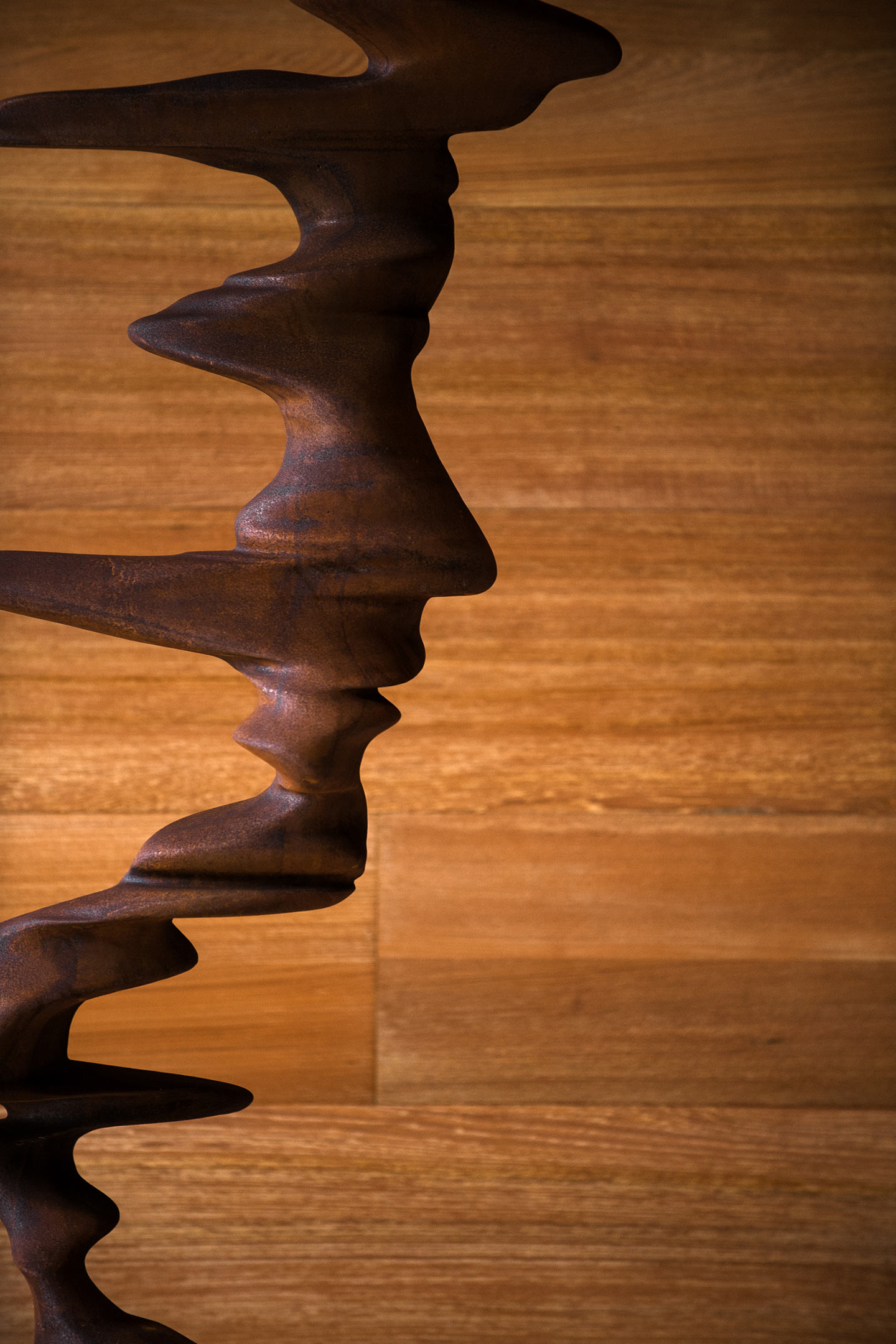
YA I’m always thinking about what humanness I can bring into my designs. I’ve been visiting a lot of sculptural pieces that have been made by hand, not machines, so you can see the imperfection. They’re very tactile. Texture really matters, especially with everything becoming so flat. I think what’s going to be really interesting is anything that makes things feel more human.
MK How much of that is in response to the rise of Artificial Intelligence?
YA I’m not against A.I. at all. It’s part of our evolution as humanity, technology becoming such a big part of our world. I’m actually quite a futurist in that sense. But it’s like fast food to me. I love fast food sometimes. But when everything is so perfectly packaged and delivered, sometimes you just crave more of a home-cooked meal. Something organic. That’s where I am as a designer, too. What is a tactile thing that I can bring to my consumers without losing our DNA?
MK Zooming out a bit, tell me about being a Tokyo club kid and how that fueled your entry into fashion.
YA It was a different time. Now, everything is so internet. Back then, there were so many movements, and movements create a fashion scene. A lot of younger generations don’t understand it. You had to be there to know the right people and know what was about to happen. Music played a big role in creating certain looks, so I went out a lot, almost every night. I wanted to make sure I saw everything because I had big FOMO. It was a good time in Tokyo. I needed that kind of energy to build Ambush at the time.
MK Were you surprised by the reception to the POW! pendant?
YA I was not expecting anything. A lot of brands try to create something that goes viral, but it wasn’t like that. That’s the thing about creation to me. You just do it and put it out there because you don’t know what’s going to catch, you know? But there should never be an intention of, am I gonna make a hit? It never works that way.
MK You’ve done so many collaborations over the years with so many different brands. What do you think makes Ambush such an attractive collaborator?
YA We’re just quite weird, in a way. Fashion has always been a platform, meaning we can use the filter of fashion to exercise certain ideas. That’s why, even when we do collaborations, we always welcome something different, like going into the technology space using blockchain and A.I.
Even [using] the word unisex. It’s funny because it’s such a big part of the culture now. But in the beginning, I remember a lot of the fashion editors were like, “Unisex? There’s no such thing as unisex.” I was like, yeah, there is. Because as a consumer, it didn’t matter to me if it was for men or women.
Everything was just about what I believed in. It was hard to put it in a box, but it’s OK. Sometimes you’re just unreasonable until you become the blueprint.