
Text by Beau Flemister
Images by Jesse Recor
On the shoreline of Maunalua Bay lagoon, its silty waters textured by late-morning trades, surf feathering on the off-shore reef, I sit with Austin Kino at a wooden picnic table. In the distance, a lone figure drops into a wave.
While residential homes conceal most of the lagoon’s narrow beaches, this patch of sand seems more secluded still: quiet and sacred, as though it were harboring secrets. Kino wants those secrets revealed. The stories of Maunalua Bay were never meant to be hidden.
Looking out to sea, Kino explains that his mentor, Nainoa Thompson, sat in this very spot 50 years ago with his mentor, master navigator Papa Mau Piailug, learning to read the stars, currents, waves, and clouds—wayfinding knowledge that would guide Hōkūle‘a on its inaugural voyage to Tahiti.
Decades later, Kino would join Hōkūle‘a as a crew member, handpicked by Thompson to be an apprentice navigator for the 2014 Mālama Honua Worldwide Voyage, the Polynesian voyaging canoe’s historic three-year circumnavigation of the globe. “Navigating and sailing gave me identity,” Kino recalls. “We were traveling and able to share what was unique to people like us from Hawai‘i. It blew my mind that our ancestors had done this thousands of years ago.”
Shaped by his time navigating Hōkūle‘a, and the ecological knowledge it imparted, he began looking for a way to carry those lessons homeward. He found a partner in fellow waterman Jesse Yonover, a Hōkūle‘a crew member raised, like Kino, along Maunalua Bay. Together, they founded Huli in 2015 to cultivate the next generation of eco-stewards, anchoring the work in their home bay and using place itself as a teacher.
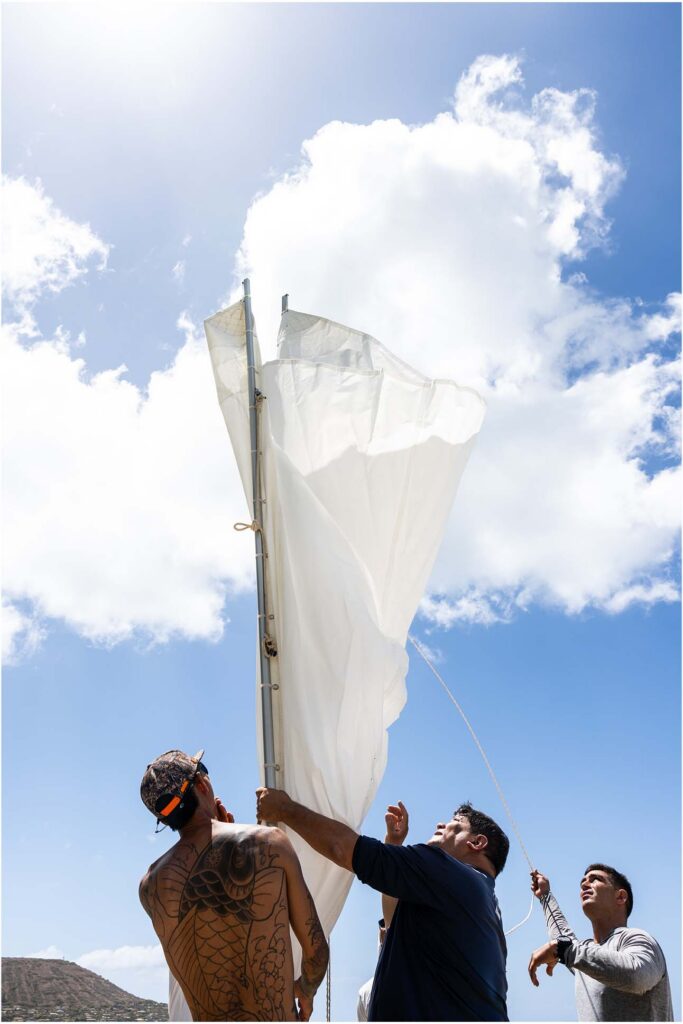
It’s often hard to get someone to care about something without first understanding it. It’s harder still to get them to love it as you do. This is a psychological truth that Kino and Yonover understand, especially where the environment is concerned. Through Huli, Kino and Yonover hope to pass on the same sense of magic they grew up with, trusting that love for a place, once formed, becomes a reason to protect it.
Given that Hōkūle‘a was among their formative experiences, it’s no surprise that voyaging sits at the core of Huli’s framework. “I wanted to turn something that was my passion and culture into a way of life. It’s a perfect thing to get kids passionate about navigating,” Kino says.
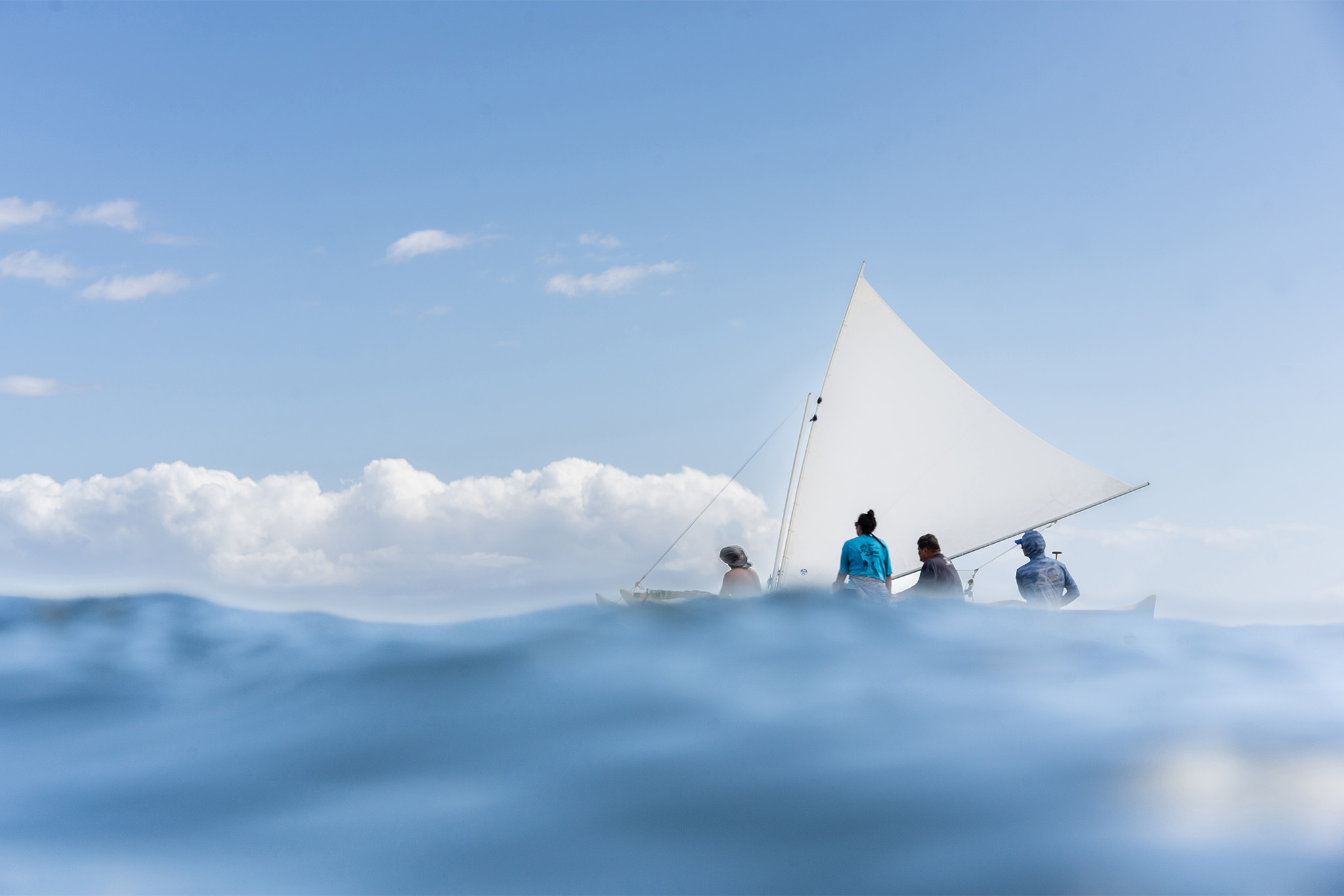
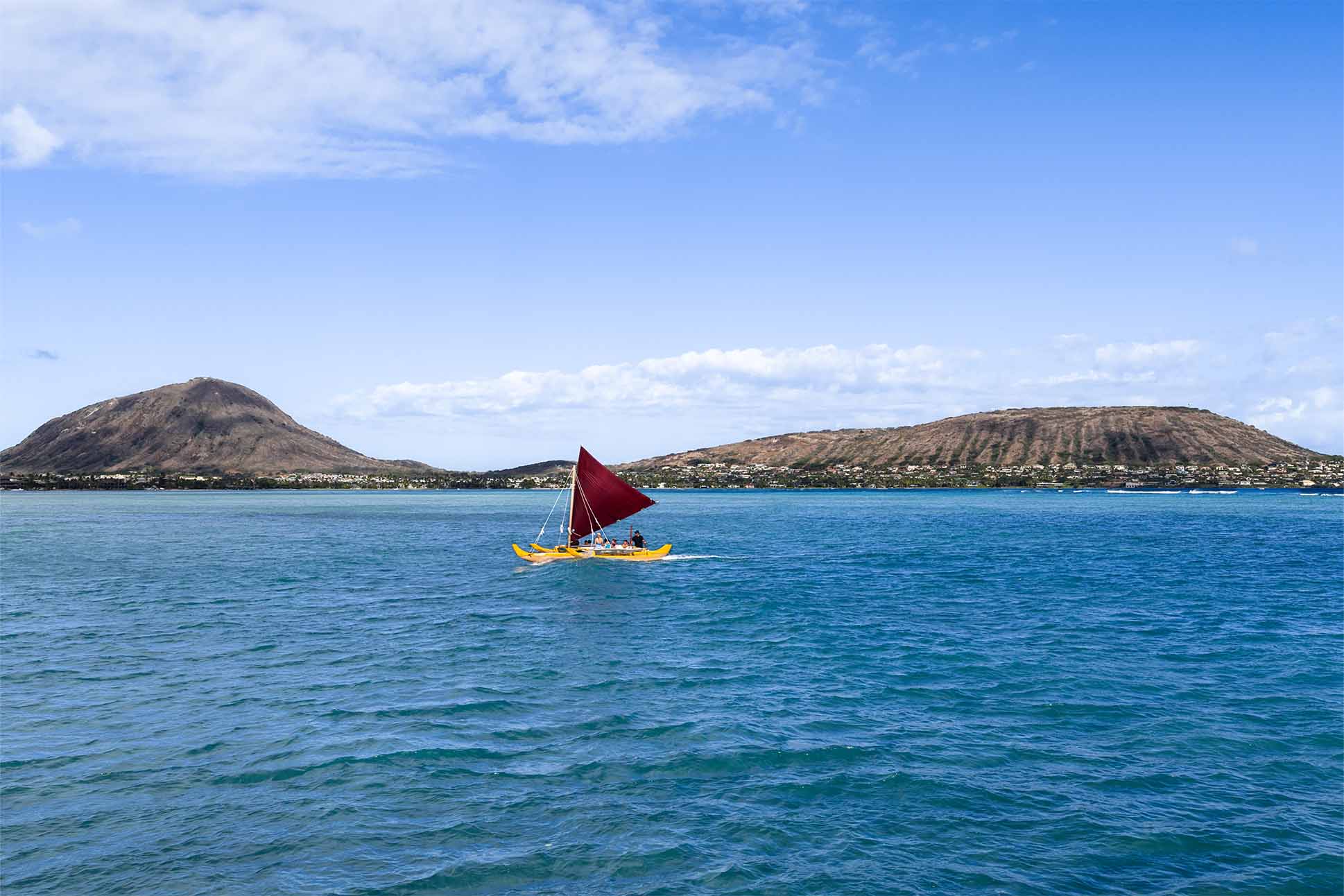
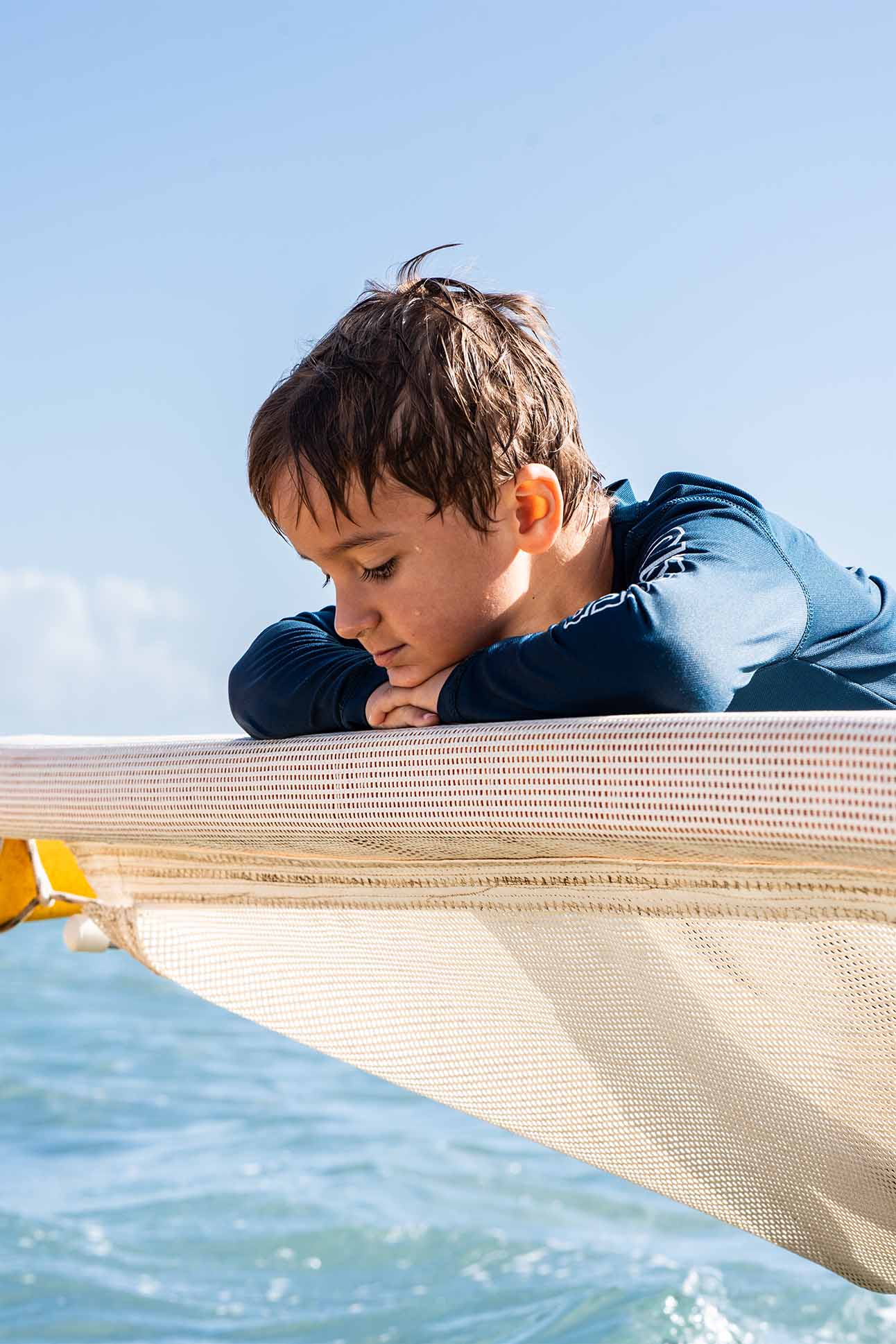
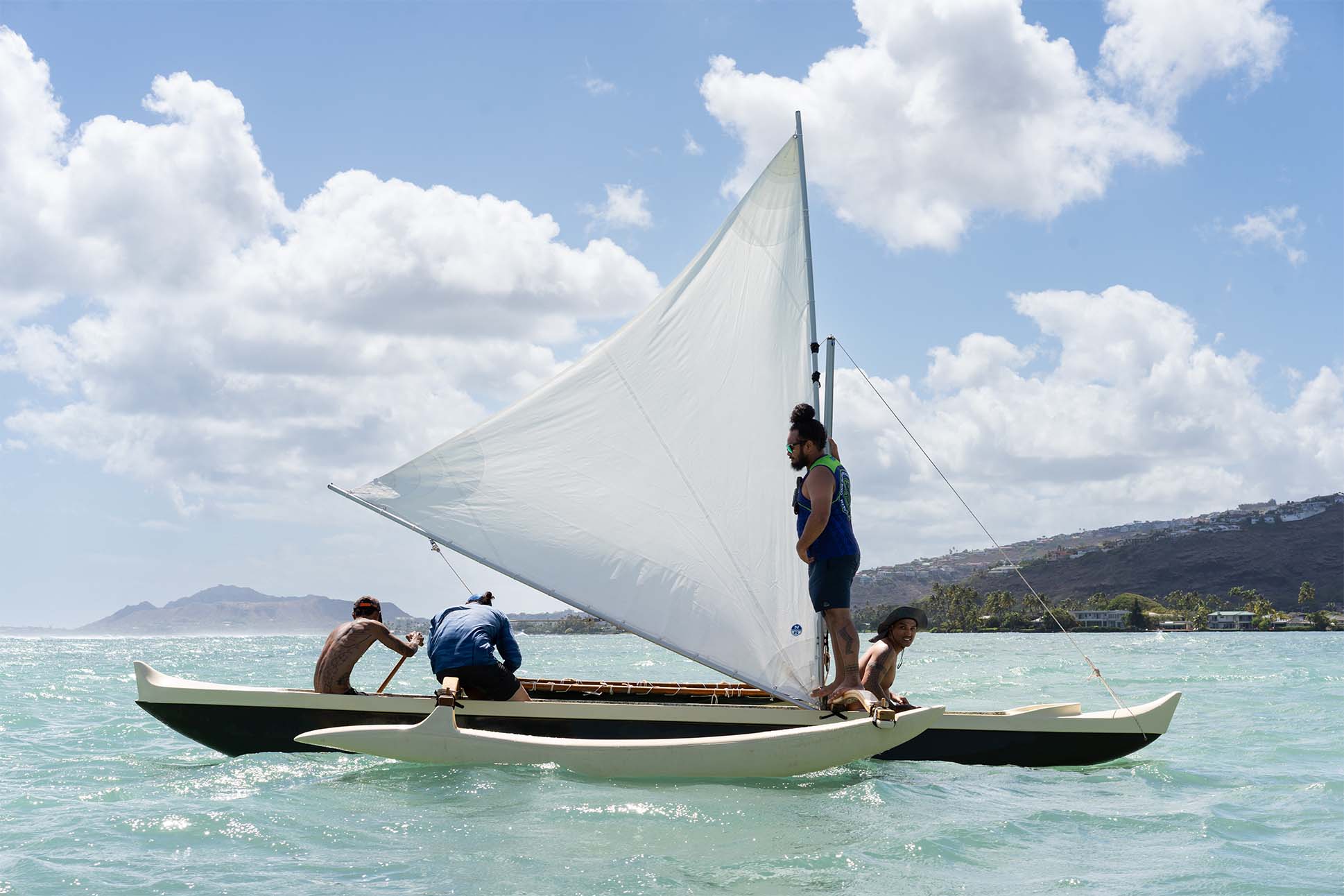
The Maunalua Future Navigators program, for instance, brings a cohort of public school students from around Maunalua aboard Uluwehi, Huli’s star vessel, in a series of ocean-based field days. From the double-hulled canoe, students see east O‘ahu from a different vantage point, all while learning the region’s traditional place names, rich history, and folklore.
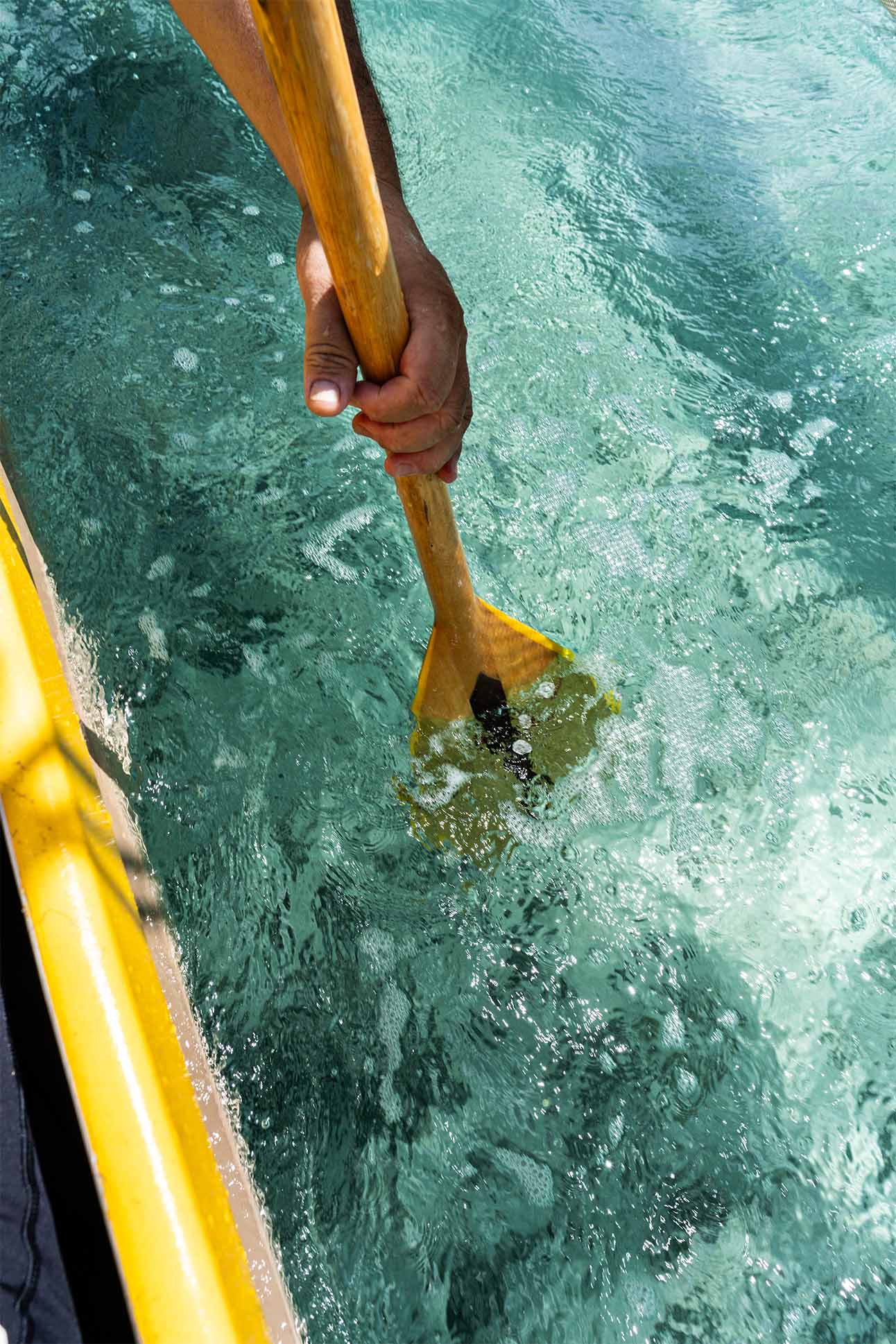
At times, Kino lets them take the helm, teaching the same Polynesian wayfinding fundamentals that he learned as a Hōkūle‘a navigator. This method of navigation eschews modern instruments for cues from nature: natural landmarks, the movement of the waves, the position of the sun and stars.
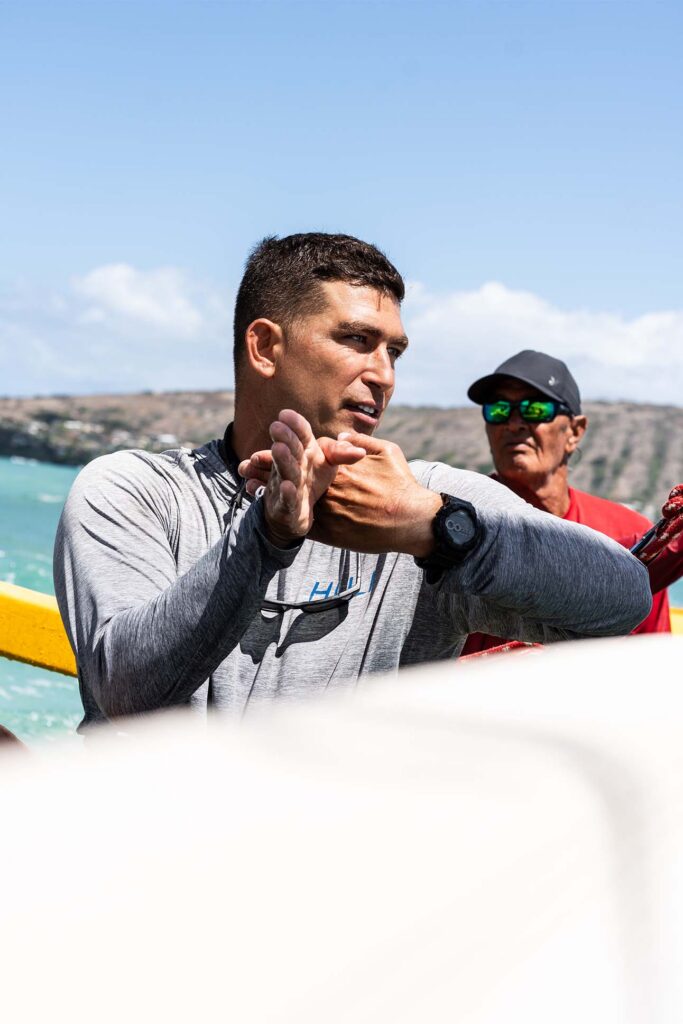
In sharing the principles of Polynesian voyaging, the students gain a deeper understanding of their community and the stewardship necessary to protect it. Ultimately, the goal is to nurture future leaders on the ocean and in the community. “Basically, we asked ourselves, what can we do to give back that feels like us?” Kino says. “Going and pulling out invasive weeds is cool, but it isn’t something we typically know a lot about.”
The Maunalua Konohiki program, meanwhile, directs that attention to university, graduate, and post-graduate students. Some days unfold at sea, with day-long excursions aboard Uluwehi, though not before they’ve rebuilt sections of the nearby Hawaiian fishponds, Kānewai and Kalauha‘iha‘i. Other days turn inland, hiking up Kūlepeamoa Ridge Trail to study the watersheds, or into Niu Valley’s grove of wiliwili trees to harvest seeds for propagation.
Huli also collaborates with local entities like Patagonia, OluKai, The Kahala Hotel & Resort, and
Parley, gathering community members for stewardship days that range from canoe sailing to hands-on conservation work, including wiliwili replanting and fishpond restoration.
“The goal with the program is to allow our community to put their hands into the earth and their feet into the sea so that they can have a connection to Maunalua,” Kino says. “Our belief is that when people have a connection to place, they are more likely to want to protect it.”
I, myself, didn’t know much about the bay, although I’m here all the time. Surfing off Wailupe peninsula, I often gaze into the misty valley as it ascends into the clouded folds of the Ko‘olau Mountain Range. I had no idea that this peninsula began as an ancient Hawaiian fishpond, once covering 41 acres, where fish were raised to feed the surrounding community. It was dredged and filled with concrete in 1948, making way for the oceanfront subdivision that occupies it today.
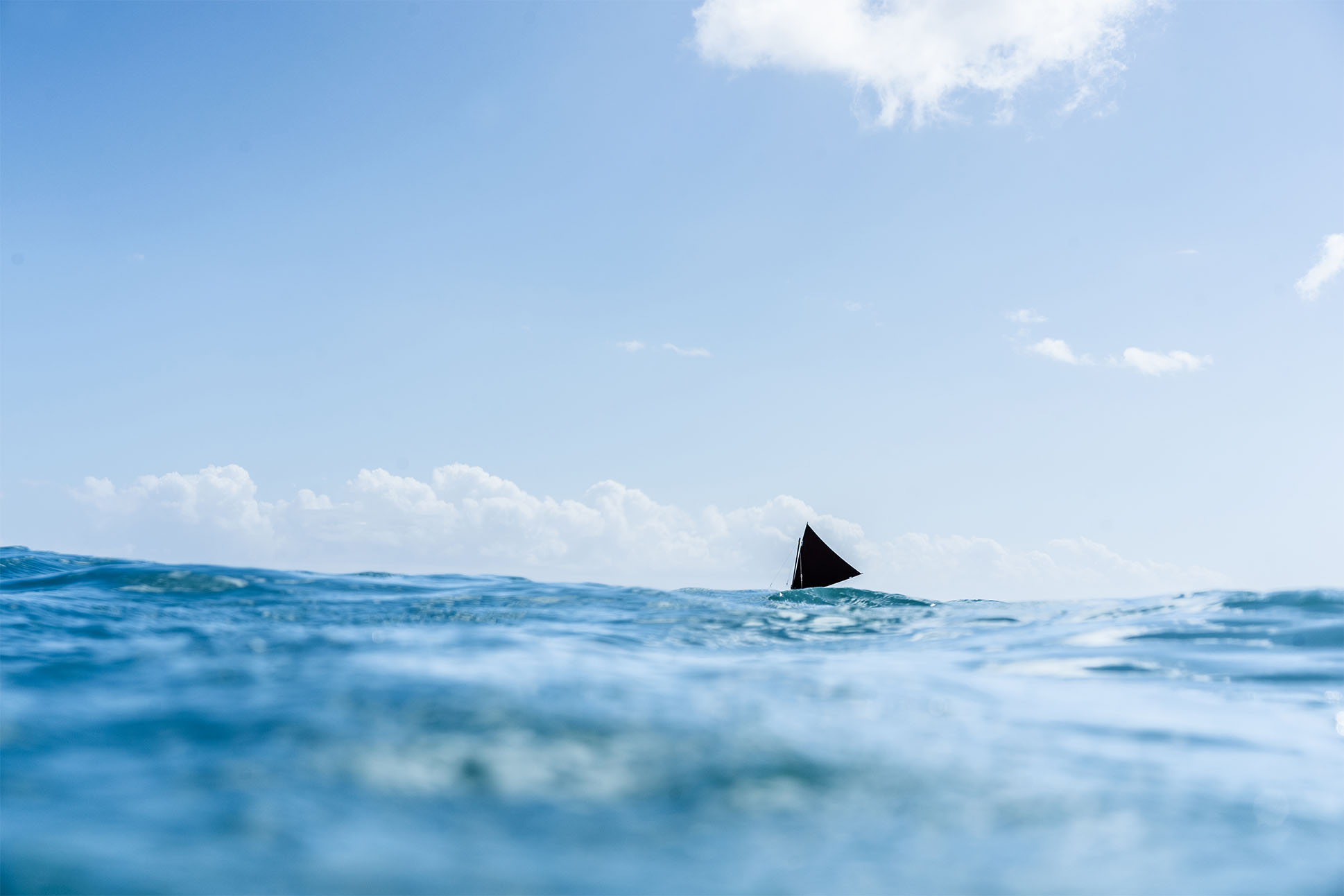
Neither did I know of Maunalua’s history as one of the first sites settled by the island chain’s earliest Polynesian voyagers, later becoming home to the Hawaiian monarchy, the birthplace of the Hawaiian sovereignty movement, and a training ground for the revival of Polynesian navigation.
“Queen Ka‘ahumanu actually ate right around here with the men chiefs when the Kapu system ended, which was pretty wild for that time,” Kino says, referencing how the wife of Kamehameha I dismantled gender-based religious taboos, reshaping society across the islands.
Pointing toward Paikō Beach, Kino describes an old lava tube across Kalaniana‘ole Highway that once pumped so much fresh water into the reef that horses would come down to the water to drink. On his phone, he shows me an old photo of his grandmother’s horses as proof. Well, I’ll be damned, I think.
Just then, the lone surfer we had been watching paddles in from the outer reef. Coincidentally, or perhaps not in a place like this, it’s Yonover. He walks in with his surfboard, cutting across the lagoon along a sand path. He and Kino throw shakas as he joins us at the picnic table.
“At the end of the day, the most important thing for us is getting people, primarily students, out into Maunalua,” Yonover says, explaining that a classroom isn’t always conducive to truly understanding one’s home. “It happens by going out, taking people in the ocean.” He would know. Growing up, he and Kino explored Maunalua together, surfing, fishing, and hiking these parts.
“We want them to know the past, about Hawaiian place names, and think about where this bay should be going in the future,” Yonover says. “To actually see it, touch it, smell it—that’s a different relationship.”
Indeed, besides the name for the stalk and corm of a taro plant, “huli” in Hawaiian also means to turn or flip. Or, specifically, to flip perspective, look for, search, seek, and study. And certainly, being at the bay—or in it, as Huli prefers—is the best way to do just that.