Text by Eunica Escalante
Images by Alex Delapena
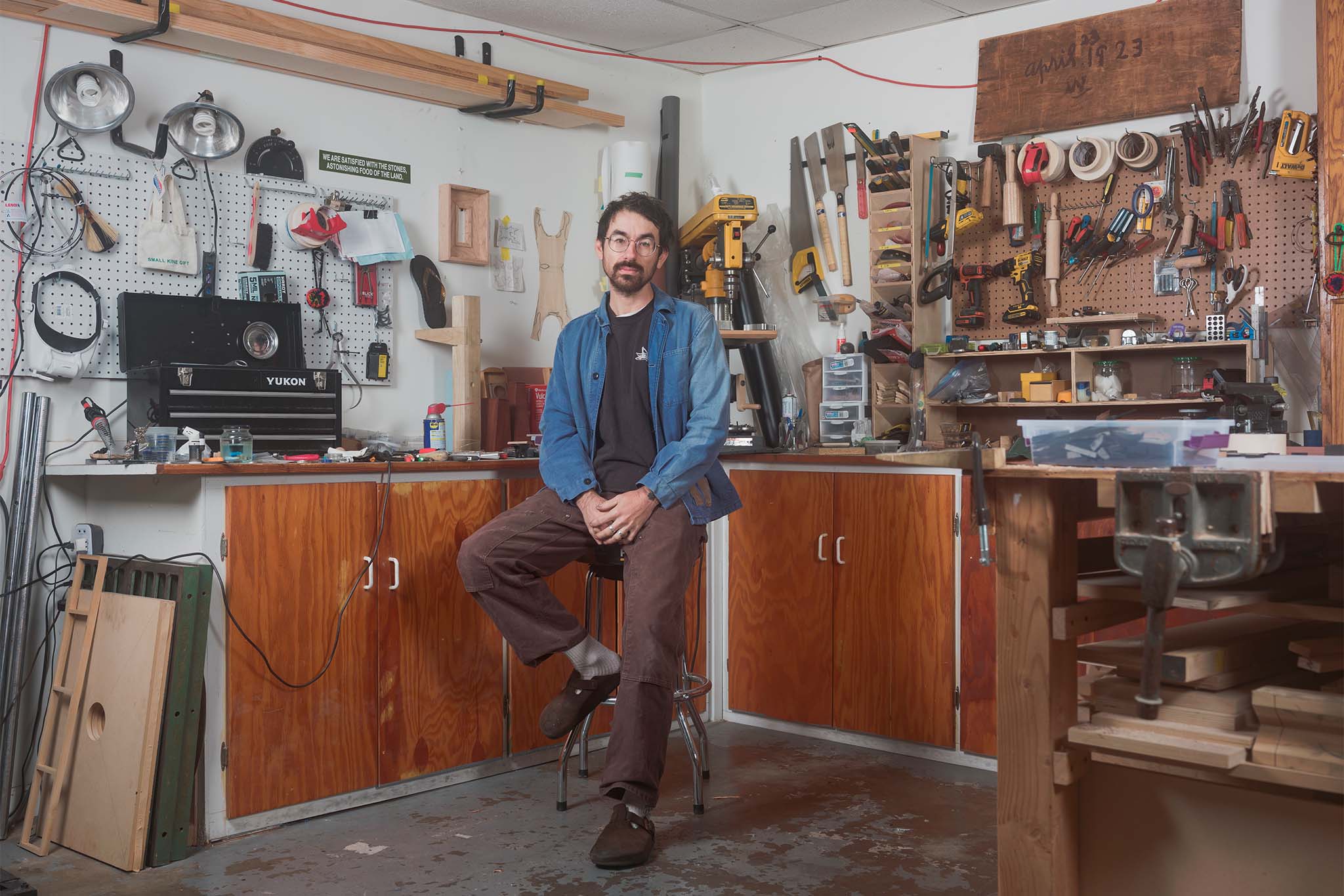
Max Cleary has an obsession with time. Not the past or present, but that ever-shifting in-between: the liminal space spanning what was and what is. He often finds himself wandering the rooms of a museum. And when he lingers before an artifact—an ancient slab, say, or a well-worn teacup—it is not the object itself that holds him.
“At some point, that cup was just a cup,” he says. But then, it became someone’s, then their family’s. Over time, it was set aside, kept solely for special occasions. Eventually, the weight of history made it too important to use altogether. Now, inside a museum, encased in glass, it carries a significance that transcends its everyday end. Time altered the cup, not in form, but in what it came to mean. “There’s these weird life cycles to things,” Cleary says, “that have so much to do with people and time and places.”
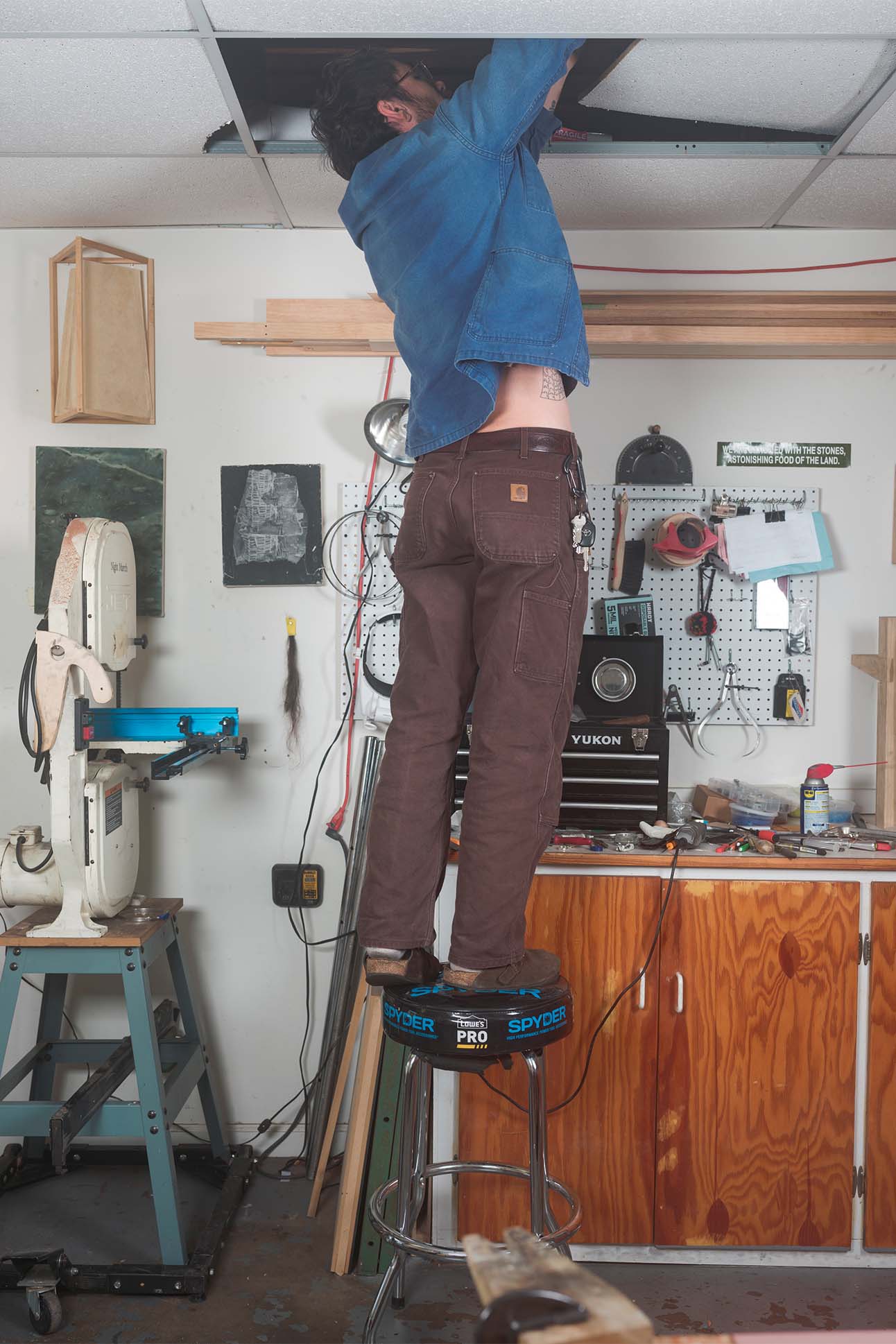
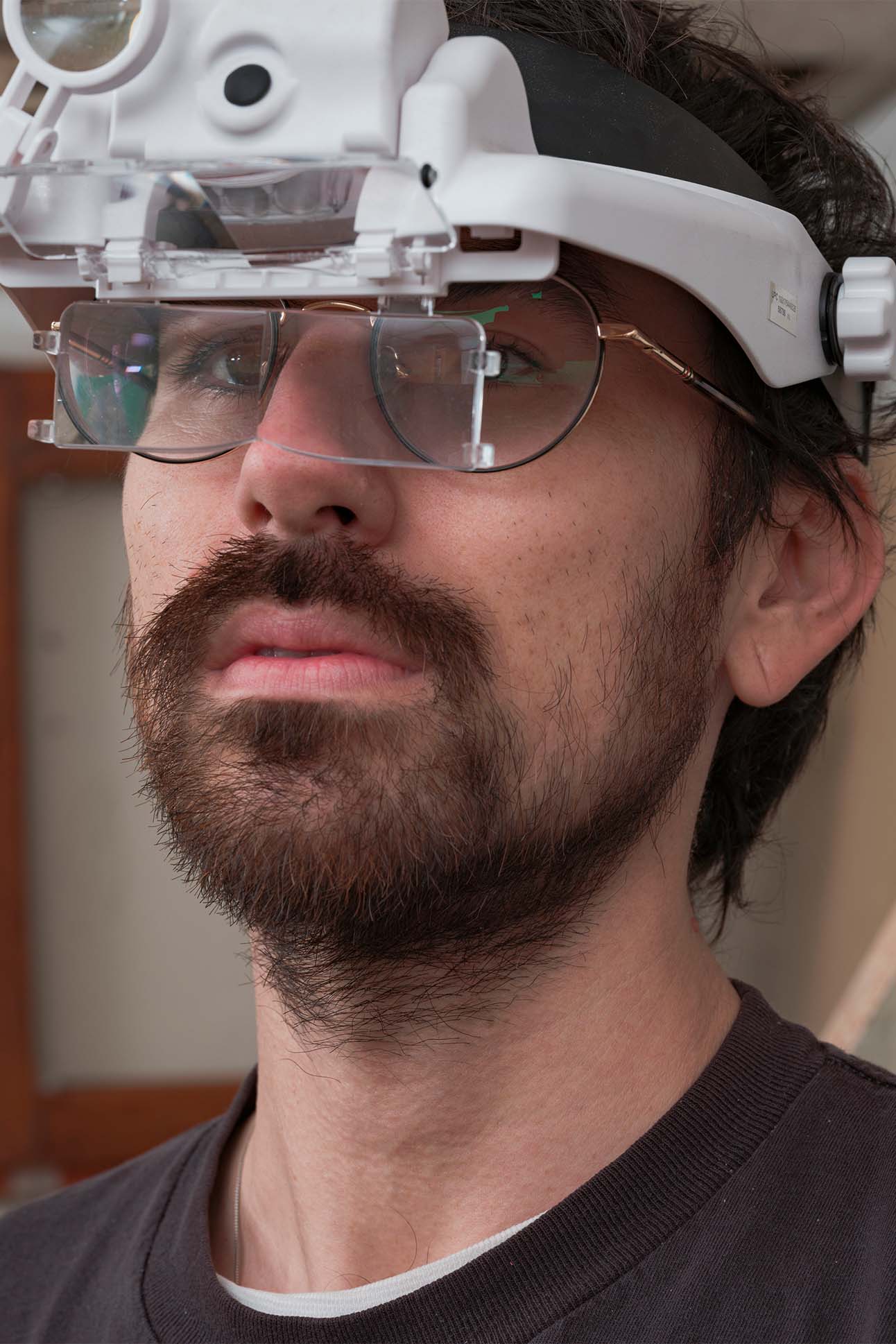
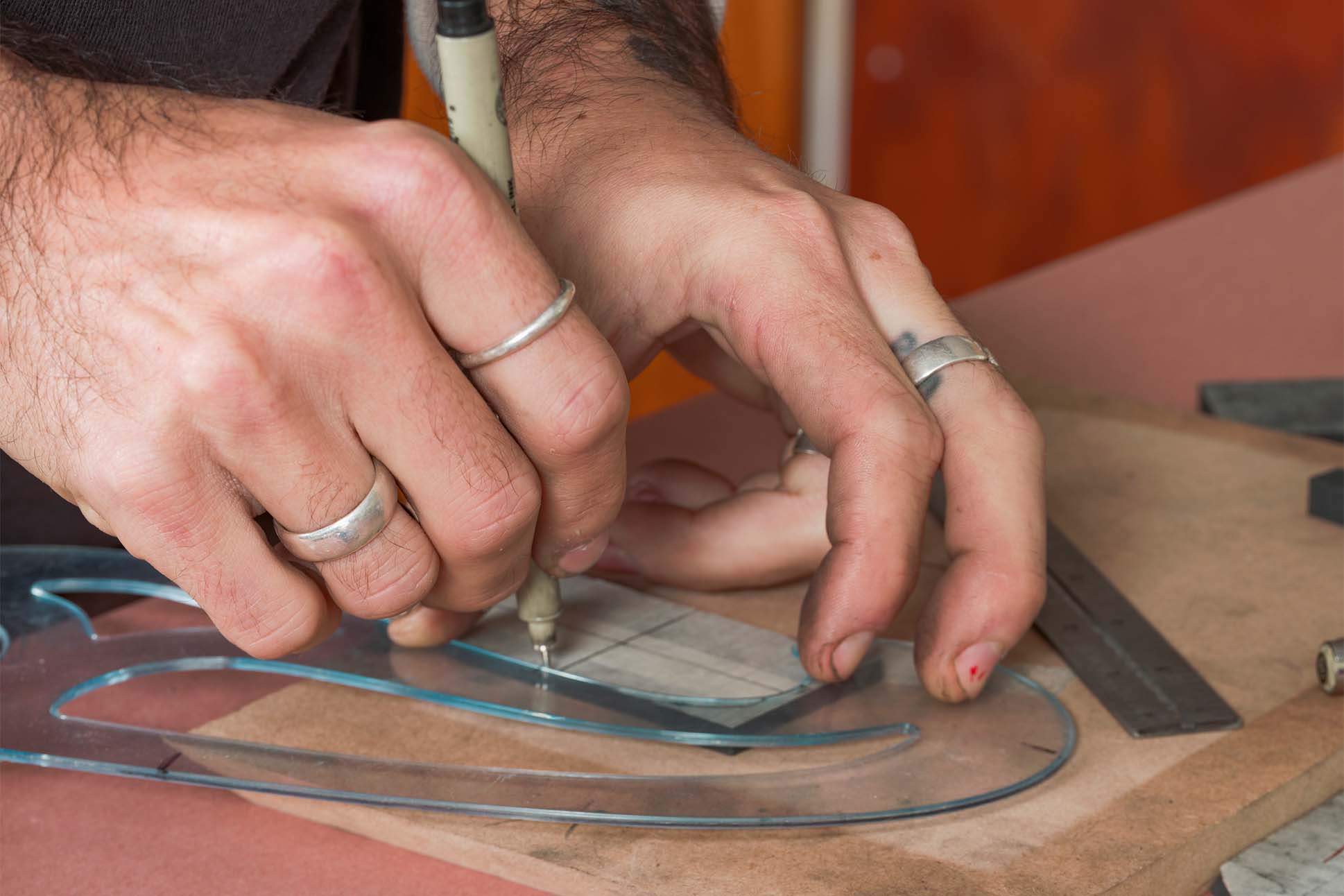
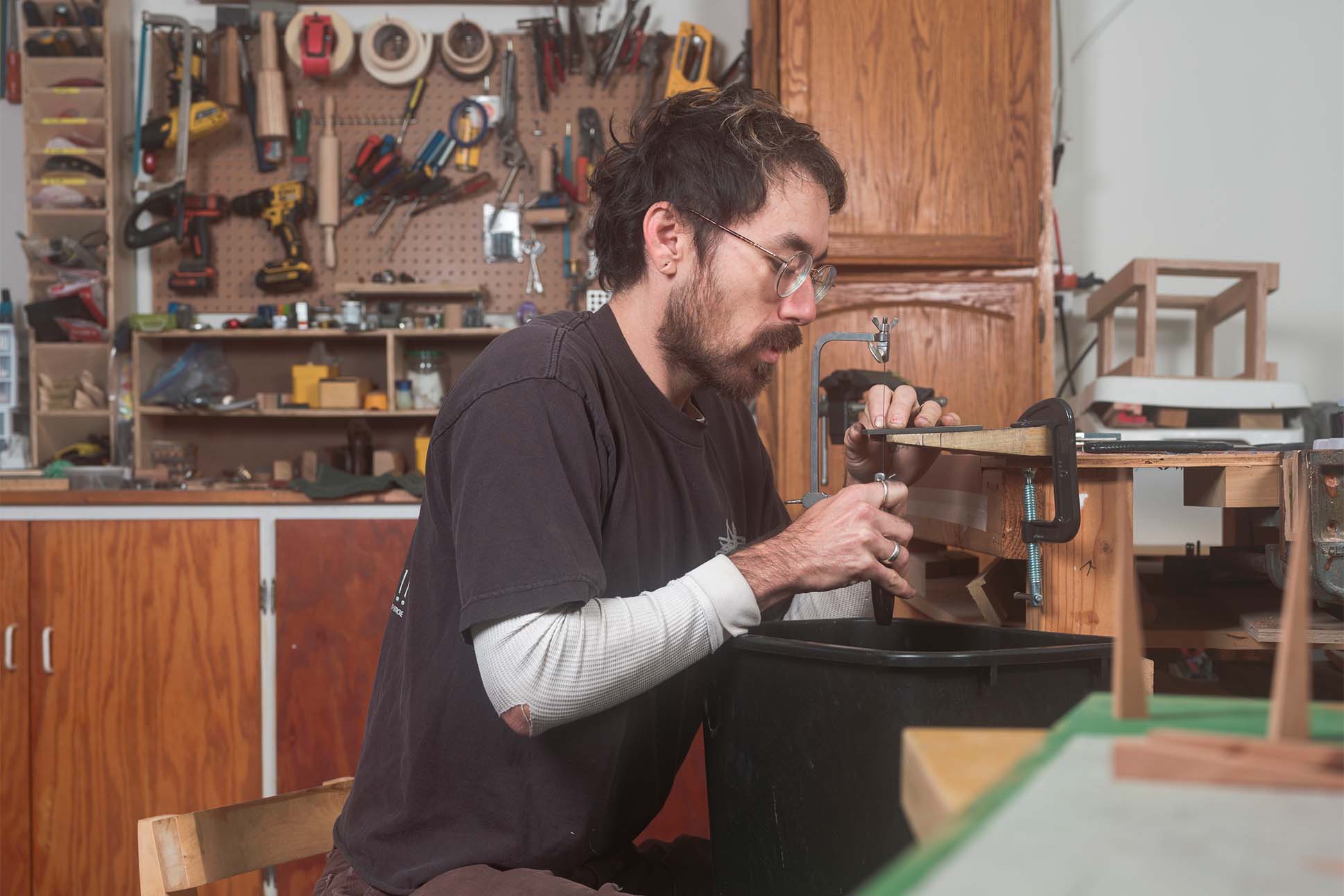
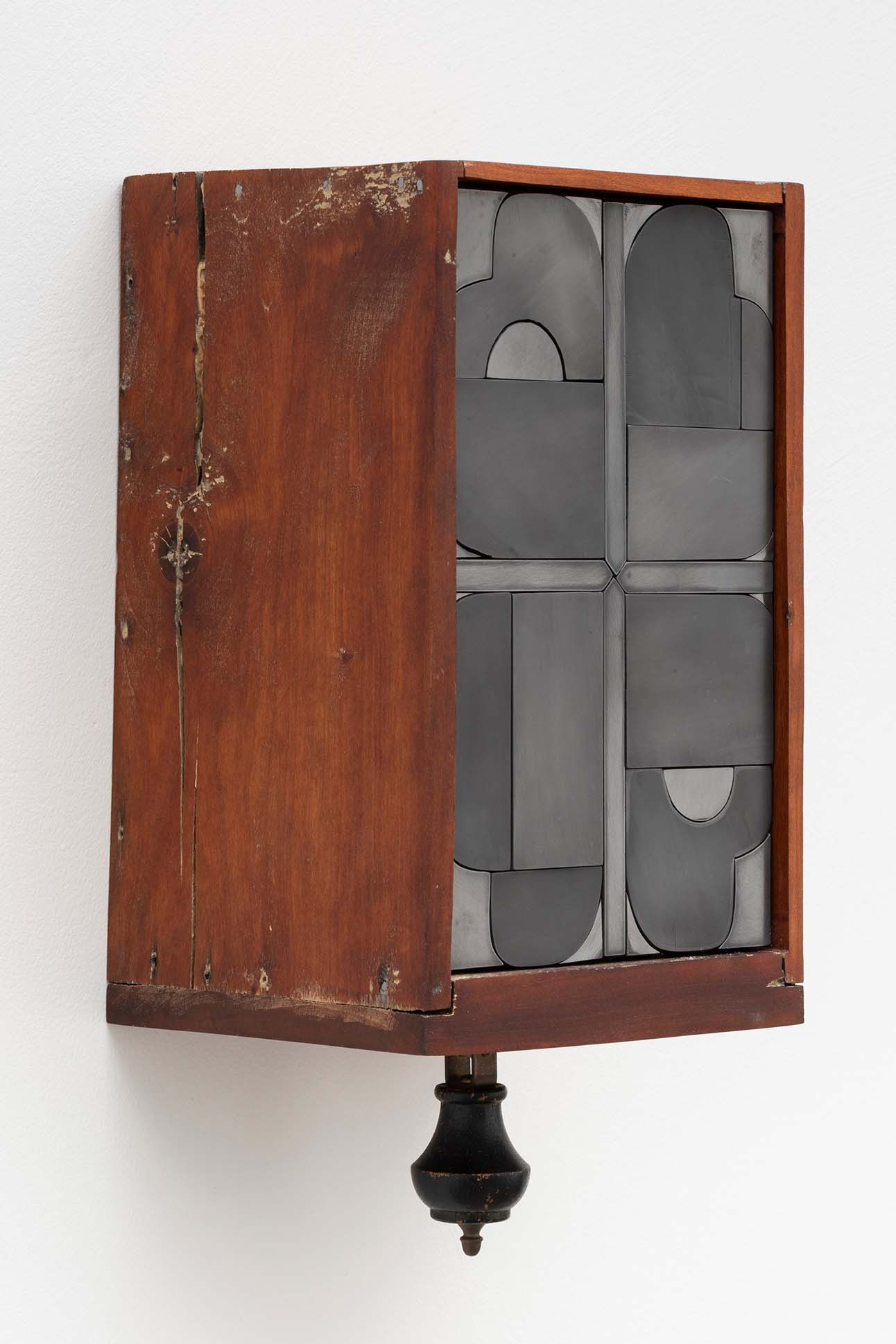
Cleary’s work as a multimedia artist is a never-ending meditation on such slippages of meaning. He fashions furnishings that draw on the chip-carved traditions of tramp art, a craft once dismissed as bric-a-brac yet now housed in museums. He photographs his grandmother’s Hawai‘i home, memorializing seemingly mundane things on film: a cutout cat with marble eyes hung above the doorway; old jars filled with water, dotted across the yard.
The jars are meant to keep the pests away, his grandmother once explained. Someone long ago had passed down the wisdom. Now it persists as a ritual of sorts, inscribing otherwise commonplace objects with a talismanic quality.
Identity is a similarly mutable thing, particularly for Cleary, an Uchinanchu American brought up in Hawai‘i. His ancestors had emigrated to the islands in the early 20th century, seeking work as contract laborers on the plantations. Decades of assimilation followed. In time, cultural and geographic distance eroded their lineage until the contours of his family history were worn smooth.
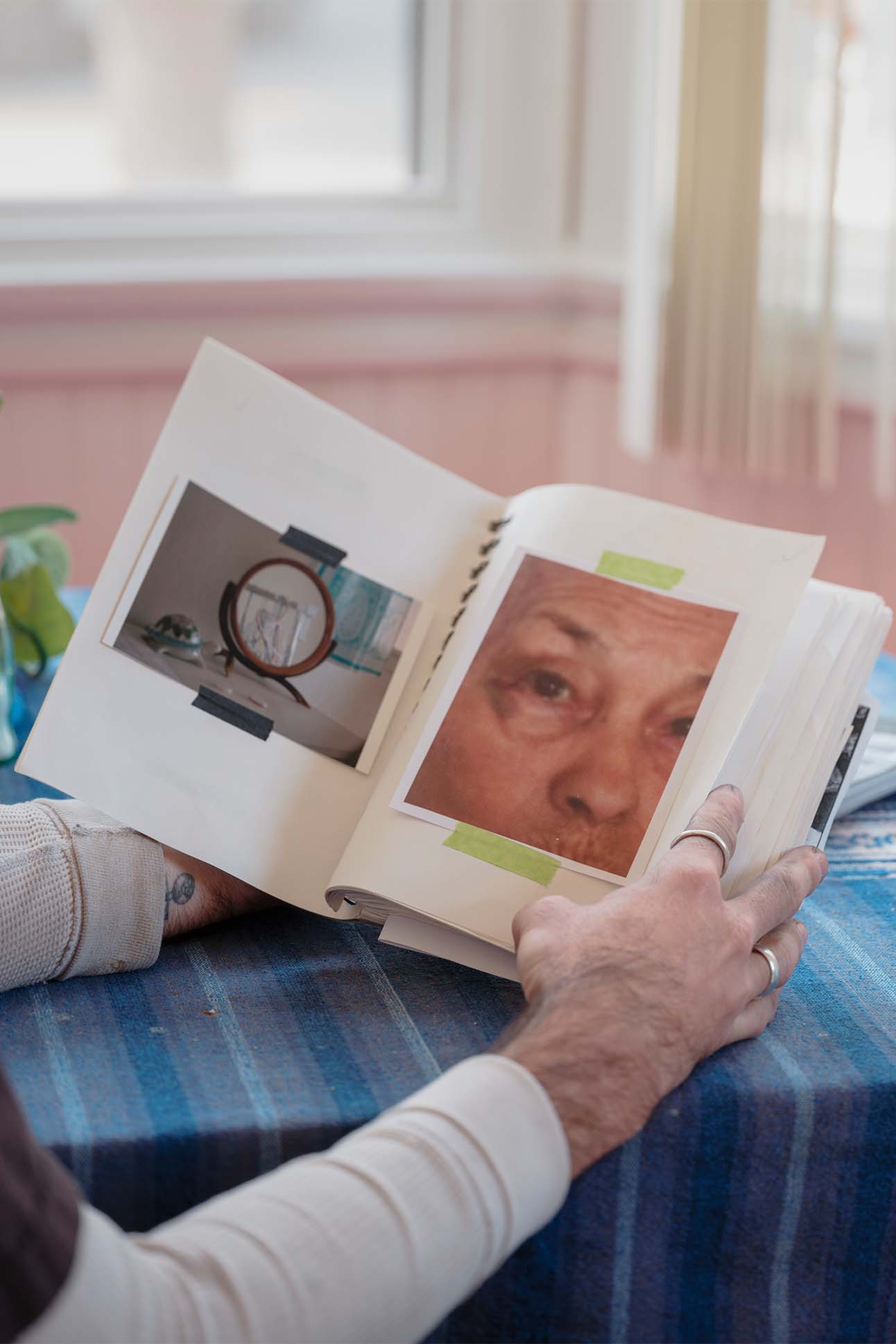
In that absence, he grew up thinking he was Japanese, as his family claimed. It wasn’t until his late teens that his grandmother brought forward a revelation. “No, you’re not Japanese,” she said to him, almost offhand. “You’re Okinawan.”
What followed was a reorientation toward his newfound homeland. He learned about the archipelago’s geography and heritage, its subjugation under Japan. That history unsettled him in its familiarity. “The relationship between Okinawa and Japan is so related to the U.S. and Hawai‘i—these two island systems overthrown for a militaristic advantage,” he says. It stirred a long-held unease. “I consider Hawai‘i home. But on some level, I can’t escape the feeling that—I don’t know—I’m the intruder. I’m trespassing on the lawn.”
That tension kept hold even when Cleary moved to Seattle, where he took up photo media at the University of Washington. The disquiet only deepened with distance. Away from the islands, his Hawai‘i upbringing took on an exotic cast, and the place he had long hesitated to claim as home came to define him.
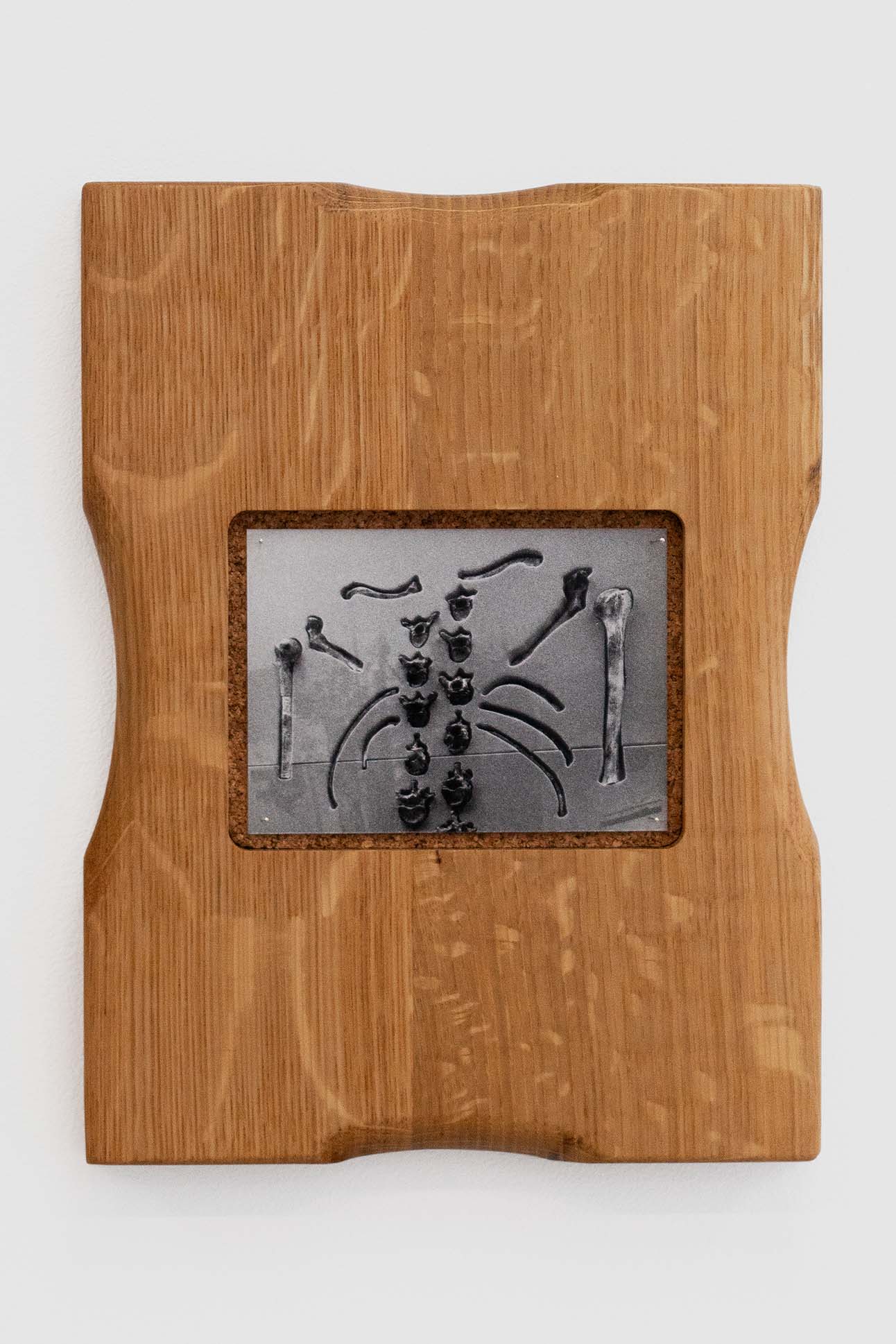
“People were like, ‘Oh my god, you’re a novelty. You’re from these islands,’” he recalls. Still, he resisted anchoring his work to a characterization that felt so charged. “I’m not going to capitalize on that,” he told himself.
One can sense this measured distance in his early work, which sidestepped identity in favor of technical inquiry. His photographs revolved around the careful staging of scenes, treated less as subjects than as experiments in seeing.
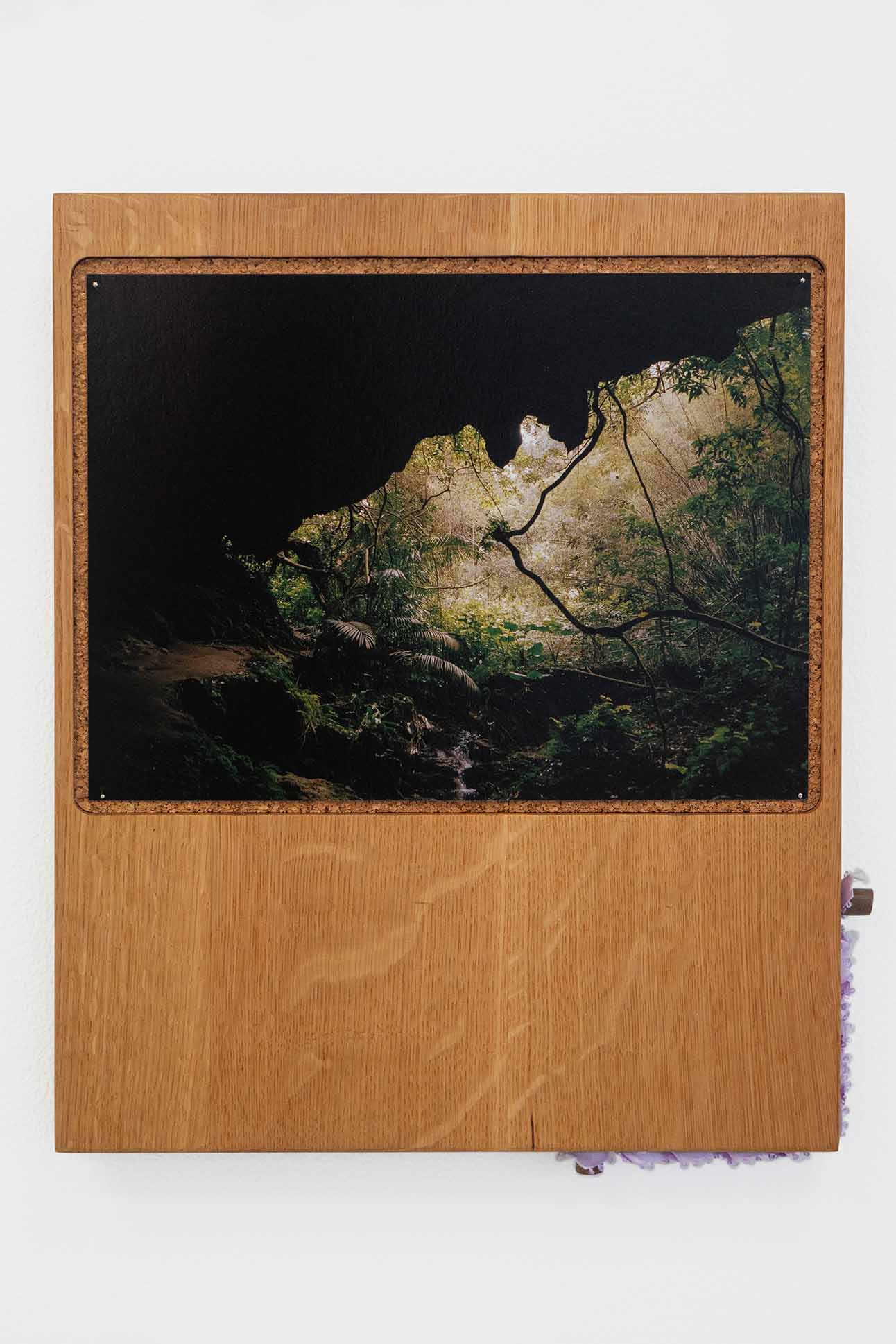
In between, he took trips back home, documenting moments with his family on film. On several occasions, they organized excursions to Hawai‘i Island, visiting the plantation towns where his grandmother once lived. Once, he brought his mom to Okinawa, imagining the trip might resolve that displacement he long carried. “In my mind, I was going to have some profound experience. Like, if by blood, I’m allowed to be in Okinawa, will I feel at home there?” he says. “And I went and realized—not really.”
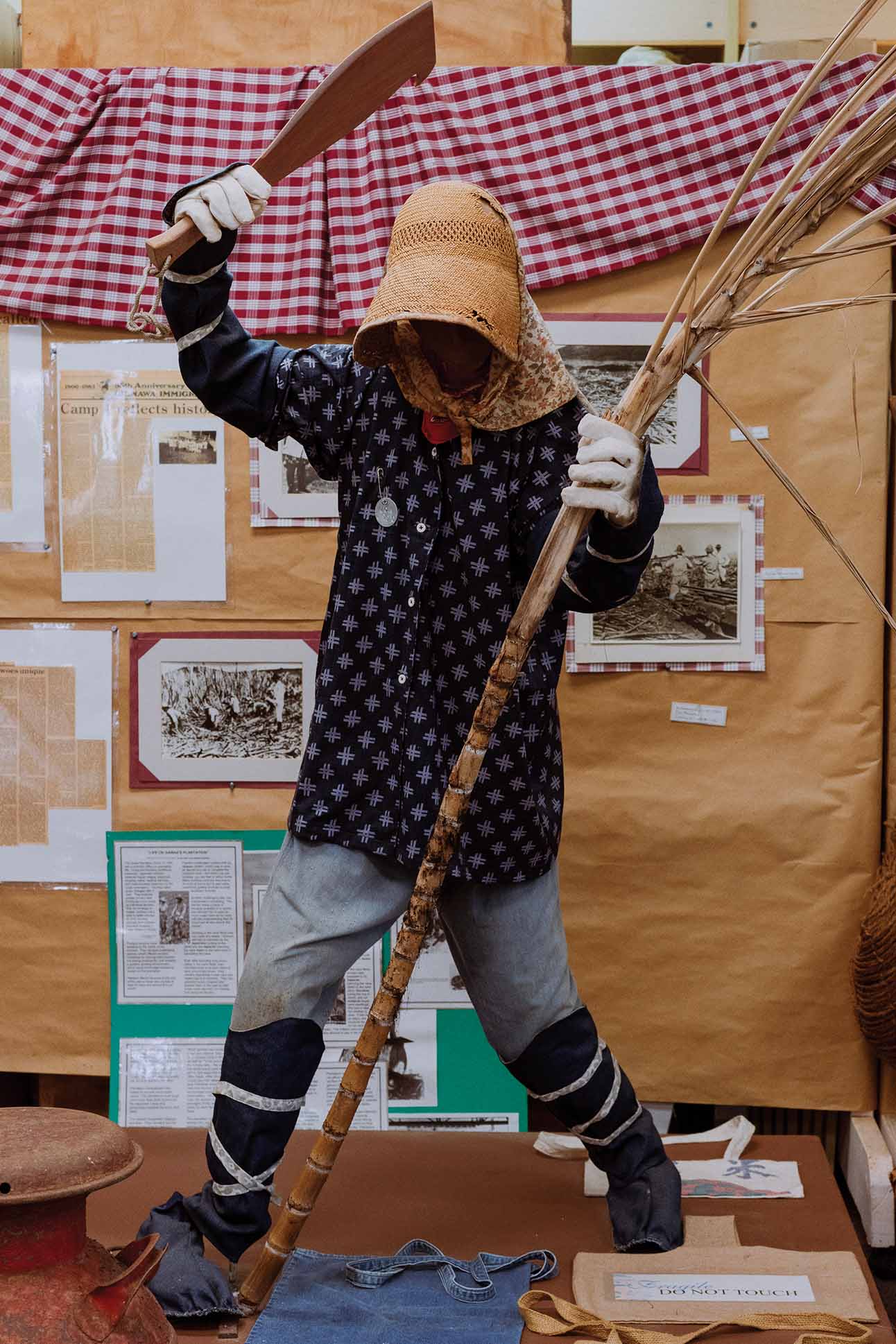
All that remained hidden, though, until the Covid-19 pandemic, when lockdown barred him from accessing the studio. Restless and in need of a project, he examined those family photos with a new intentionality. Once-haphazard moments revealed unexpected congruences: his grandmother in a plantation town along Hāmākua; his mother exploring a cave in Okinawa.
The images traced a triangulation across O‘ahu, Okinawa, and Hawai‘i Island, holding the fractures and continuities of his identity in tension. What followed was his first monograph, The Complex Number Zero, an attempt to probe the personhood he never quite understood. Still, “while it is ultimately identity work,” Cleary says, “to me, it’s more about the mechanisms of origin”—the ways time and distance reassign meaning to what once felt fixed. “The book was largely me just trying to work through that,” he says. “There was no real answer.”
If identity appears elusive in Cleary’s work, it is because he treats it like an artifact rather than a claim. Something shaped by time, altered by distance, and continually reassigned meaning. Like the objects that first led him to wander museums, these fragments are neither static nor resolved. They exist in that ever-shifting in-between, where meaning is never fixed, only held—for now.